Unlock Growth with Top Nonprofit Software for Donor Management
nonprofit software for donor management

Unlock Growth with Top Nonprofit Software for Donor Management

Revolutionize your fundraising and donor engagement strategies with powerful, intuitive software solutions tailored for nonprofits.

Find Your Solution

Key Takeaways

  • ✓ Nonprofit organizations using donor management software report an average 29% increase in fundraising revenue.
  • ✓ Automated donor communication through software can improve donor retention rates by up to 20%.
  • ✓ Integrated volunteer management and event planning features save nonprofits an average of 10-15 hours per week.
  • ✓ Data-driven insights from donor management platforms enable more personalized outreach, leading to higher engagement.

How It Works

1
Centralize Donor Data

Consolidate all donor information, including contact details, giving history, communication preferences, and interactions, into a single, accessible database. This eliminates scattered spreadsheets and provides a 360-degree view of every supporter.

2
Automate Communication & Outreach

Set up automated thank-you notes, personalized email campaigns, and targeted appeals based on donor segments and giving patterns. This ensures timely and relevant communication, strengthening donor relationships without manual effort.

3
Track & Analyze Fundraising Performance

Monitor campaigns, events, and individual donor contributions with robust reporting and analytics tools. Gain insights into what's working, identify trends, and make data-driven decisions to optimize future fundraising efforts.

4
Cultivate & Steward Relationships

Utilize features like task management, donor segmentation, and wealth screening to tailor stewardship strategies. Proactively engage donors, recognize their contributions, and move them up the ladder of engagement from first-time giver to major supporter.

Understanding the Core of Donor Relationship Management (DRM)
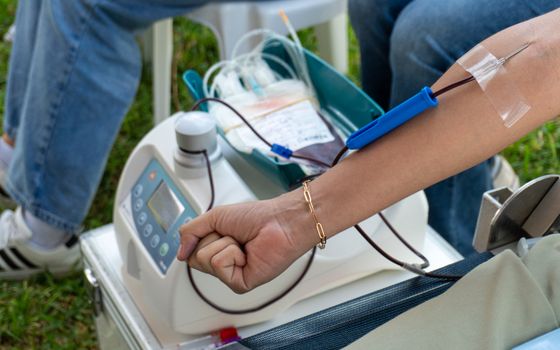
A close-up of the blood donation process outdoors in Piura, Peru, highlighting medical equipment and donor arm. Photo: Manuel Camacho-Navarro / Pexels
In the dynamic world of philanthropy, the ability to effectively manage and nurture relationships with your supporters is paramount. This is where nonprofit software for donor management, often referred to as Donor Relationship Management (DRM) software, becomes an indispensable asset. At its heart, DRM is more than just a database; it's a strategic tool designed to help nonprofit organizations understand, engage, and retain their donors more effectively. It centralizes all interactions, allowing you to move beyond fragmented spreadsheets and disconnected communication channels. Imagine having every piece of information about a donor – their first gift, their preferred communication method, their volunteer history, their family connections, and their engagement with your campaigns – all in one place. This holistic view is what DRM provides, enabling your team to build deeper, more meaningful connections. Effective DRM goes beyond simple record-keeping. It empowers nonprofits to segment their donor base, allowing for highly personalized outreach. Instead of sending generic mass emails, you can craft messages that resonate with specific groups, whether they are first-time donors, recurring givers, volunteers, or major gift prospects. This level of personalization significantly increases the likelihood of engagement and continued support. Furthermore, modern DRM solutions often include robust reporting and analytics capabilities. These features transform raw data into actionable insights, helping you identify trends, measure campaign effectiveness, and forecast future fundraising potential. You can track donor retention rates, average gift sizes, and the return on investment for various fundraising activities. This data-driven approach is crucial for optimizing strategies, allocating resources efficiently, and ultimately, maximizing your impact. Without a dedicated system, tracking these metrics accurately can be a monumental, if not impossible, task, leading to missed opportunities and inefficient spending. The right software essentially becomes the memory and analytical engine of your fundraising operations, ensuring no donor interaction is forgotten and every opportunity for connection is leveraged. It frees up valuable staff time from administrative burdens, allowing them to focus on what truly matters: building relationships and advancing your mission. The integration of various fundraising activities, from online giving to event management, further streamlines operations, providing a seamless experience for both your team and your donors.

Key Features to Look for in Nonprofit Donor Management Software
A simple white paper checklist with one red checkmark, ideal for concepts like completion or approval. Photo: Tara Winstead / Pexels
When evaluating nonprofit software for donor management, certain features stand out as essential for maximizing your organization's fundraising potential and operational efficiency. The first and arguably most critical feature is a comprehensive donor database. This isn't just a contact list; it's a repository for every interaction, donation, communication preference, and personal detail relevant to your relationship with a supporter. Look for systems that offer customizable fields, robust search filters, and a clear, intuitive interface that provides a 360-degree view of each donor profile. Secondly, robust fundraising and donation processing capabilities are non-negotiable. Your chosen software should facilitate easy online giving, recurring donations, and pledge management. It should integrate seamlessly with payment gateways and ideally offer features like peer-to-peer fundraising, crowdfunding, and event ticketing. The ability to track different types of gifts – in-kind, grants, major gifts – and automate acknowledgment letters is also crucial for compliance and donor stewardship. Communication and marketing tools are another vital component. Effective donor management software will include integrated email marketing, SMS capabilities, and potentially even direct mail automation. These tools should allow for advanced donor segmentation, enabling you to send targeted messages that resonate with specific donor groups. Look for features that provide templates, scheduling options, and A/B testing capabilities to optimize your outreach efforts. Reporting and analytics are the backbone of data-driven fundraising. The software should offer customizable dashboards and a wide array of pre-built reports on donor retention, campaign performance, fundraising trends, and donor demographics. The ability to export data, create custom reports, and visualize insights through charts and graphs is essential for strategic decision-making and demonstrating impact to your board and stakeholders. Beyond these core features, consider integrations with other essential tools your nonprofit uses, such as accounting software, volunteer management platforms, and marketing automation systems. Seamless integration prevents data silos and reduces manual data entry. Finally, robust security features, mobile accessibility, and excellent customer support are crucial for long-term success and peace of mind. A user-friendly interface and comprehensive training resources will also significantly impact your team's adoption and utilization of the software, ensuring you get the most out of your investment and truly transform your donor engagement strategy.

Choosing the Right Nonprofit Software for Your Organization

Group of volunteers smiling while sorting donation boxes indoors for a charity organization. Photo: Gustavo Fring / Pexels
Selecting the ideal nonprofit software for donor management can feel like a daunting task, given the multitude of options available. However, by adopting a structured approach, you can identify a solution that perfectly aligns with your organization's unique needs, budget, and strategic goals. The first step involves a thorough internal assessment. Before even looking at vendors, clearly define your current challenges with donor management, your desired outcomes, and the specific features that are non-negotiable for your team. Consider your organization's size, the complexity of your fundraising efforts, and the technical proficiency of your staff. Are you a small, volunteer-led organization needing an intuitive, all-in-one solution, or a larger charity with dedicated fundraising professionals requiring advanced customization and integrations? This self-reflection is critical for narrowing down your options. Next, establish a realistic budget. Nonprofit software for donor management varies widely in price, from free or low-cost options for small organizations to enterprise-level solutions with significant upfront and ongoing costs. Factor in not just the subscription fees, but also potential implementation costs, training expenses, and any add-on modules you might need. Remember that the cheapest option isn't always the most cost-effective in the long run if it lacks essential features or requires extensive workarounds. Conversely, don't overspend on features you'll never use. Seek out transparent pricing models and inquire about nonprofit discounts. Once you have a clear understanding of your needs and budget, begin researching vendors. Look for companies with a strong track record of serving nonprofit organizations and positive reviews from similar charities. Request demos from your top contenders, ensuring that multiple team members who will be using the software day-to-day participate. During these demos, ask specific questions related to your defined needs and pay close attention to ease of use, scalability, and the quality of customer support. Don't underestimate the importance of data migration and integration capabilities. If you're moving from an existing system, how seamless will the transfer of your historical donor data be? Does the software integrate with your existing accounting, email marketing, or volunteer management platforms? A smooth transition is vital to avoid disruptions and ensure data integrity. Finally, prioritize vendors that offer excellent customer support and comprehensive training resources. A great software solution is only as good as your team's ability to use it effectively. Look for responsive support channels, online knowledge bases, and opportunities for ongoing education. By meticulously evaluating these factors, you can make an informed decision that empowers your nonprofit to cultivate stronger donor relationships and achieve greater mission impact.

Avoiding Common Pitfalls and Maximizing Your Investment

A man holds a note reading 'charity,' with the focus on his hands, expressing a charitable theme. Photo: Ron Lach / Pexels
Implementing new nonprofit software for donor management is a significant undertaking, and avoiding common pitfalls can ensure a smoother transition and maximize your return on investment. One of the most frequent mistakes nonprofits make is failing to involve key stakeholders early in the selection process. Your fundraising team, executive director, and even board members should have input, as their buy-in is crucial for successful adoption. Without their participation, you risk selecting a system that doesn't meet critical departmental needs or faces resistance during rollout. Another pitfall is underestimating the importance of data cleanliness and migration. Moving dirty or incomplete data into a new system will only perpetuate existing problems. Dedicate ample time and resources to cleaning your existing donor data before migration. This includes removing duplicates, correcting errors, and standardizing formats. Work closely with your chosen software vendor to understand their data migration process and ensure data integrity throughout the transition. A poorly executed data migration can lead to significant headaches and undermine confidence in the new system. Neglecting proper training is a third common error. Even the most intuitive software requires training for users to fully leverage its capabilities. Budget for comprehensive training sessions for all staff members who will interact with the system. Offer ongoing support and create internal champions who can assist colleagues. Regular refresher courses and access to a knowledge base will ensure your team stays proficient and uses the software to its full potential. **Tips for Maximizing Your Investment:** * **Start Small, Scale Up:** Don't try to implement every feature at once. Focus on core functionalities first, get your team comfortable, and then gradually introduce more advanced features. * **Customize Thoughtfully:** While customization is powerful, avoid over-customizing early on. Stick to essential modifications and let your usage inform future adjustments. * **Regular Data Review:** Schedule regular reviews of your donor data to maintain accuracy and identify any inconsistencies. Clean data is powerful data. * **Leverage Analytics:** Don't just collect data; analyze it. Use the reporting features to understand donor behavior, campaign performance, and identify opportunities for improvement. * **Seek Feedback:** Regularly solicit feedback from your team on their experience with the software. This helps identify areas for improvement, additional training needs, or potential optimizations. * **Stay Updated:** Keep abreast of new features and updates from your software vendor. These often include enhancements that can further streamline your operations and improve donor engagement. By proactively addressing these challenges and embracing a strategic approach to implementation and ongoing use, your nonprofit can truly transform its donor management, fostering stronger relationships and achieving sustainable growth.

Comparison

FeatureDonorPerfectBloomerangBlackbaud Raiser's Edge NXT
Ease of UseGoodExcellentModerate
Price Range (Annual)$1,000 - $10,000+$500 - $10,000+$3,000 - $25,000+ (enterprise)
Online Fundraising
Donor SegmentationRobustExcellentAdvanced
Reporting & AnalyticsStrongIntuitiveComprehensive
IntegrationsExtensive APIMany nativeBlackbaud ecosystem
Customer SupportGoodExcellentVariable (tier-based)

What Readers Say

"Our small animal rescue struggled with tracking donations across multiple spreadsheets. Implementing our new nonprofit software for donor management completely transformed our operations. We've seen a 15% increase in recurring donors just by using the automated communication features."

Sarah Chen · Austin, TX

"The reporting capabilities in our donor management software are a game-changer. We can now easily pull detailed reports for our board meetings and identify our most engaged supporters, allowing us to tailor our outreach efforts much more effectively."

Mark Johnson · Chicago, IL

"Switching to a dedicated nonprofit software for donor management helped us streamline our event registrations and ticket sales. What used to take hours of manual input is now automated, freeing up staff time for more direct donor engagement and leading to a 20% increase in event attendance."

Emily Rodriguez · Denver, CO

"While the initial setup of our nonprofit software for donor management was a bit complex, the ongoing support has been fantastic. We're still learning all the features, but the ability to centralize all our donor interactions is already making a huge difference in our stewardship efforts."

David Lee · Seattle, WA

"As a grant writer, having all donor and grant history in one place through our nonprofit software for donor management has been invaluable. I can quickly access past funding details and supporter relationships, making my proposals much stronger and increasing our grant success rate."

Maria Garcia · Miami, FL

Frequently Asked Questions

What is nonprofit software for donor management?

Nonprofit software for donor management is a specialized CRM (Customer Relationship Management) system designed to help charitable organizations track, manage, and cultivate relationships with their donors. It centralizes donor data, automates communication, processes donations, and provides reporting tools to optimize fundraising efforts and improve donor retention. It moves beyond simple record-keeping to strategic relationship building.

Is donor management software expensive for small nonprofits?

Not necessarily. While enterprise-level solutions can be costly, many providers offer tiered pricing plans, free basic versions, or significant discounts for small nonprofits and startups. It's crucial to research options that fit your budget and feature needs, as the return on investment through increased donations and efficiency often outweighs the cost.

How do I migrate my existing donor data to new software?

Data migration typically involves exporting your current donor data (often from spreadsheets or an old system) into a compatible format (like CSV), cleaning and standardizing the data, and then importing it into the new software. Most reputable vendors offer migration assistance, tools, and best practice guides to ensure a smooth and accurate transfer of your valuable donor information.

What is the typical ROI for investing in donor management software?

The ROI for donor management software can be substantial, often seen in increased fundraising revenue, improved donor retention rates, and significant time savings for staff. Nonprofits frequently report increases in donations by 15-30% within the first year or two due to better donor targeting, personalized communication, and streamlined processes. The efficiency gains also free up resources for mission-critical activities.

How does donor management software compare to a generic CRM?

While a generic CRM can store contact information, nonprofit software for donor management is specifically tailored to the unique needs of fundraising and donor stewardship. It includes features like pledge management, gift tracking, grant management, volunteer management, and specific fundraising campaign tools that generic CRMs lack, making it far more effective for nonprofits.

Who within a nonprofit benefits most from donor management software?

Virtually everyone in a nonprofit benefits, but particularly fundraising managers, development directors, communication teams, and executive leadership. Fundraising teams gain tools for outreach and tracking; communications teams can personalize messages; and leadership gets data for strategic decisions. Even volunteers can benefit from integrated volunteer management features.

How secure is my donor data in these cloud-based systems?

Reputable cloud-based donor management software providers invest heavily in security measures, including data encryption, regular backups, secure data centers, and compliance with industry standards like PCI DSS for payment processing. Always choose a vendor with strong security protocols, privacy policies, and a track record of protecting sensitive donor information to ensure peace of mind.

What are future trends in nonprofit donor management software?

Future trends include increased integration with AI and machine learning for predictive analytics (e.g., identifying lapse risks or major gift potential), enhanced personalization through advanced segmentation, deeper integration with social media and digital engagement channels, and more robust mobile capabilities for both staff and donors. Expect even more intuitive interfaces and automation of complex tasks.

Embracing the right nonprofit software for donor management is no longer a luxury but a necessity for sustainable growth and mission impact. By centralizing data, automating processes, and leveraging powerful insights, your organization can cultivate stronger donor relationships and achieve its fundraising goals. Explore the options and empower your team to make a greater difference today.

Topics: nonprofit software for donor managementdonor relationship managementfundraising software for nonprofitsnonprofit CRMdonor engagement platform
Leo List
Brampton weed
Adultwork