
Unlock Funding: Nonprofit Grants for Small Organizations
nonprofit grants for small organizations

Unlock Funding: Nonprofit Grants for Small Organizations

Navigate the landscape of grant funding and secure the resources your small nonprofit needs to thrive and make an impact.

Start Your Grant Journey

Key Takeaways

  • ✓ Small nonprofits often have unique advantages in grant applications, including strong community ties and agile operations.
  • ✓ Grant funding is not 'free money' – it requires strategic planning, diligent research, and meticulous reporting.
  • ✓ Many foundations prioritize funding local or niche organizations that address specific community needs.
  • ✓ Building relationships with funders is as crucial as writing a compelling proposal.

How It Works

1
Assess Your Organizational Readiness

Before seeking grants, ensure your nonprofit has a clear mission, strong financial records, and a defined project plan. This foundational work is critical for demonstrating credibility.

2
Identify Potential Funders

Utilize online databases, community foundations, and professional networks to pinpoint grantmakers whose priorities align with your mission. Tailor your search to specific program areas.

3
Craft a Compelling Proposal

Develop a well-structured grant application that clearly articulates your project's goals, methods, budget, and anticipated impact. Emphasize how your small organization uniquely addresses a community need.

4
Cultivate Relationships & Report Impact

Engage with potential funders, attend their informational sessions, and be prepared to provide thorough reports on how grant funds were used and the impact achieved. Strong relationships lead to future opportunities.

Understanding the Landscape of Small Nonprofit Funding
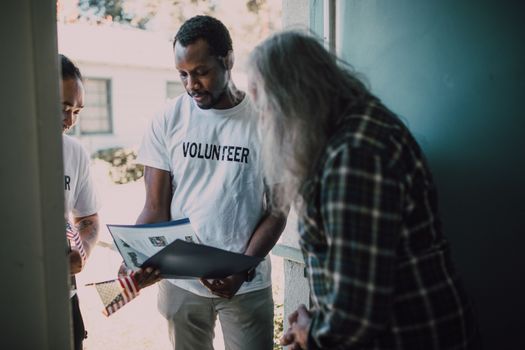
Volunteers visit a home to provide community support and discuss documents. Photo: RDNE Stock project / Pexels
For many small nonprofit organizations, securing sustainable funding is a perpetual challenge, yet it is also the lifeblood that allows them to fulfill their critical missions. Unlike large institutions with dedicated fundraising departments and extensive donor networks, small nonprofits often operate with limited resources, relying heavily on the passion of their staff and volunteers. This is precisely where understanding and strategically pursuing nonprofit grants for small organizations becomes not just beneficial, but absolutely essential. Grants represent a significant source of non-repayable funds that can fuel specific projects, operational costs, or even capacity building initiatives. The grant landscape is vast and can appear daunting at first glance. It includes federal, state, and local government agencies, private foundations, corporate giving programs, and community foundations. Each type of funder has its own unique priorities, application processes, and reporting requirements. For a small organization, navigating this complexity requires a systematic approach and a deep understanding of what funders are looking for. Often, small nonprofits have an inherent advantage: their close ties to the community they serve. This proximity allows them to identify and address specific, often underserved, needs with a level of agility and authenticity that larger organizations might struggle to replicate. Funders are increasingly interested in supporting grassroots efforts that demonstrate direct community impact and innovation. However, this advantage must be effectively communicated. A common mistake small nonprofits make is applying for grants without thoroughly researching the funder's mission and past giving history. This 'shotgun approach' wastes precious time and resources. Instead, organizations should focus on identifying funders whose priorities directly align with their own mission and specific project goals. For example, a small environmental group focused on local river cleanup might find more success with a foundation dedicated to ecological preservation or community health, rather than a broad-based arts foundation. This targeted approach significantly increases the chances of success and builds a foundation for long-term relationships with grantmakers. Understanding the core principles of nonprofit management is crucial before embarking on the grant-seeking journey. It ensures your organization is structurally sound and ready to manage the responsibilities that come with grant funding. Furthermore, small organizations often need to be adept at telling their story in a compelling way, showcasing not just the need they address, but the unique value and impact they bring to their community. This narrative power, combined with solid data and a clear vision, forms the bedrock of a successful grant application strategy.

Strategies for Identifying and Researching Grant Opportunities

A woman typing on a laptop keyboard, focused on productivity and technology. Photo: Christina Morillo / Pexels
Successfully securing nonprofit grants for small organizations hinges on an effective strategy for identifying and researching potential funding sources. This process is far more than just a quick search; it’s a meticulous investigation into a funder’s priorities, past grantees, geographic focus, and typical award amounts. The goal is to find a truly synergistic match, where your organization's mission and project perfectly align with a grantmaker's philanthropic objectives. One of the primary tools for grant research is online databases. Platforms like Candid's Foundation Directory Online, GrantStation, and Grants.gov (for federal opportunities) offer extensive searchable databases that allow you to filter by geographic region, program area, type of support (e.g., project, general operating, capacity building), and grant size. While some of these resources require a subscription, many public libraries offer free access to the Foundation Directory Online, making it an invaluable resource for budget-conscious small nonprofits. Beyond these, state and local government websites often list grant programs specific to their jurisdictions, which can be a goldmine for local organizations. Community foundations are another excellent starting point. These foundations typically focus their giving within a specific geographic area and are often more accessible to smaller, local organizations. They understand the nuances of the community's needs and are frequently willing to work with new or emerging nonprofits. Engaging with community foundation staff, even before a formal application period, can provide invaluable insights into their funding priorities and application process. Attending their informational sessions or workshops can also help build relationships and demonstrate your organization's commitment. Beyond formal databases, networking plays a crucial role. Connecting with other small nonprofit leaders, consultants, and community stakeholders can lead to referrals for funders you might not discover otherwise. Professional associations within your sector often share grant opportunities relevant to their members. Subscribing to newsletters from grant-making organizations, philanthropic associations, and government agencies can also keep you informed about new calls for proposals. When researching, pay close attention to a funder's past grantees. This gives you a clear picture of the types of organizations and projects they prefer to support. Analyze their annual reports, 990-PF forms (for private foundations, publicly available via GuideStar or the IRS), and their website's 'Grants' or 'Funding' sections. Look for clear indications of alignment with your organization's mission, target population, and proposed activities. Don't waste time applying to funders whose priorities are a poor fit, even if the grant amount is attractive. A well-researched, targeted application is always more likely to succeed than a generic one. This diligent research phase is arguably the most critical step in the entire grant-seeking process, laying the groundwork for a successful proposal.

Crafting Winning Grant Proposals and Building Funder Relationships

Person working at a glass table with a laptop, notebook, and coffee mug. Photo: www.kaboompics.com / Pexels
Once you've identified promising nonprofit grants for small organizations, the next critical step is crafting a compelling grant proposal. A winning proposal is not merely a request for money; it's a persuasive narrative that demonstrates your organization's capacity, impact, and alignment with the funder's goals. For small nonprofits, where every word counts and resources are often stretched thin, a strategic approach to proposal writing is paramount. Begin by thoroughly understanding the funder's guidelines. These are not suggestions; they are explicit instructions. Missing a deadline, exceeding a page limit, or failing to address a specific question can lead to immediate disqualification. Tailor every aspect of your proposal to the specific funder. A common pitfall is using a generic template; while some sections may overlap, the core narrative, budget, and impact statement must speak directly to the funder's interests. Clearly articulate the problem your organization addresses, the innovative solution you propose, the expected outcomes, and how you will measure success. For small nonprofits, emphasizing direct community impact and cost-effectiveness can be particularly compelling. Your proposal should include a strong executive summary that can stand alone, summarizing your request and its importance. Follow this with a detailed organizational background, showcasing your track record, leadership, and community ties. The problem statement should be backed by data and clearly explain why your project is necessary. The project description needs to be specific, outlining activities, timelines, and personnel. A realistic and detailed budget, with clear justifications for all expenses, is non-negotiable. Finally, a robust evaluation plan that explains how you'll measure success and report on outcomes demonstrates accountability. Effective storytelling is a vital component of grant writing, allowing funders to connect emotionally with your mission. Beyond the written proposal, building and nurturing relationships with funders is equally important. This often starts before you even submit an application. If permitted by the funder, reach out with questions, attend their webinars, or try to schedule an introductory call. These interactions allow you to gain clarity, demonstrate your enthusiasm, and put a face to your organization. After submission, if you are awarded a grant, maintain regular communication, submit timely and thorough reports, and always express gratitude. If you are declined, respectfully request feedback. This not only helps improve future proposals but also shows professionalism and a commitment to learning. A 'no' today can become a 'yes' tomorrow if you cultivate a positive relationship and demonstrate continuous improvement and impact.

Common Mistakes and Best Practices for Small Nonprofit Grant Seekers

While the pursuit of nonprofit grants for small organizations can be incredibly rewarding, it's also fraught with potential missteps. Avoiding common mistakes and adopting best practices can significantly increase your success rate and streamline your grant-seeking efforts. **Common Mistakes to Avoid:** * **Lack of Readiness:** Applying for grants before your organization has a clear mission, strong financial management, a 501(c)(3) status (if applicable), and a well-defined project. Funders look for stability and preparedness. * **Poor Funder Fit:** Submitting applications to funders whose priorities do not align with your organization's mission or project. This is a waste of your time and the funder's. * **Generic Proposals:** Using a one-size-fits-all proposal. Each application must be tailored to the specific funder's guidelines and interests. * **Ignoring Guidelines:** Failing to adhere strictly to all application instructions, including page limits, font sizes, required attachments, and submission deadlines. * **Unrealistic Budgets:** Submitting a budget that is either too vague, inflated, or doesn't clearly justify expenses. Transparency and accuracy are key. * **Weak Evaluation Plan:** Not clearly articulating how you will measure your project's success and impact. Funders want to see tangible results. * **Lack of Follow-up/Reporting:** Failing to submit timely and comprehensive reports on how funds were used and the impact achieved. This can jeopardize future funding opportunities. **Best Practices for Success:** * **Build Your Capacity:** Invest in developing strong internal systems for financial management, program planning, and data collection. A strong organizational infrastructure is attractive to funders. * **Strategic Research:** Dedicate ample time to thoroughly research potential funders. Use online databases, network, and analyze their past giving. * **Develop a Grant Calendar:** Create a calendar that tracks deadlines, reporting requirements, and follow-up activities for all potential and active grants. * **Cultivate Relationships:** Engage with program officers and foundation staff where possible. Attend webinars, ask thoughtful questions, and show genuine interest in their work. * **Tell Your Story Compellingly:** Use compelling narratives and data to illustrate the need you address, your unique approach, and the profound impact your small organization makes. * **Collaborate and Partner:** Consider partnering with other small nonprofits or larger organizations on joint grant applications. This can leverage resources and strengthen proposals. * **Seek Feedback:** If denied, politely request feedback to understand areas for improvement. This demonstrates professionalism and a commitment to growth. * **Diversify Funding Sources:** Don't rely solely on grants. Develop a diversified fundraising strategy that includes individual donors, events, and earned income to ensure long-term sustainability. By diligently implementing these best practices and consciously avoiding common pitfalls, small nonprofit organizations can significantly enhance their ability to secure vital grant funding and continue their invaluable work in the community.

Comparison

FeaturePrivate FoundationsGovernment GrantsCommunity FoundationsCorporate Giving
Funding FocusSpecific programs/missionsPublic good/policy goalsLocal community needsCSR alignment/brand
Application ComplexityModerate to HighHigh (detailed forms)Moderate (local focus)Varies (often simpler)
Reporting RequirementsDetailed impact/financialsVery strict/auditsModerate to DetailedVaries, often impact metrics
Relationship Building✓ (often crucial)✗ (less direct)✓✓ (highly valued)✓ (strategic partnerships)
Typical Grant SizeVaries widelyOften largerSmall to MediumSmall to Medium

What Readers Say

"This guide completely demystified nonprofit grants for our small organization. We used their strategies to secure our first major grant, which is funding our after-school literacy program for the next year!"

Maria Rodriguez · Austin, TX

"As a new nonprofit, we felt overwhelmed by the grant process. This article broke it down into manageable steps, from identifying funders to crafting compelling proposals. Highly recommend for any small team."

David Chen · Portland, OR

"Following the advice on building funder relationships, we not only won a grant but also established a long-term partnership. Our community outreach efforts have expanded by 30% thanks to this guidance."

Sarah Miller · Chicago, IL

"The information on grant research was incredibly thorough, though I wish there were more specific examples of successful small organization proposals. Still, it's an excellent resource for getting started."

James O'Connell · Boston, MA

"Our small animal rescue relies solely on donations and grants. This article provided invaluable insights into finding corporate giving programs, which we hadn't explored much before. It opened up new funding avenues for us."

Emily White · Denver, CO

Frequently Asked Questions

What is the most crucial first step for a small nonprofit seeking grants?

The most crucial first step is to ensure your organization is 'grant-ready.' This means having a clear mission, established 501(c)(3) status (if applicable), strong financial records, a well-defined project with measurable goals, and a dedicated team. Funders prioritize organizations that demonstrate stability and a clear plan for impact.

Is it harder for small organizations to win grants compared to larger ones?

Not necessarily. While larger organizations may have more resources, small nonprofits often have unique advantages, such as deep community ties, agility, and the ability to address niche needs. Many funders specifically seek to support grassroots efforts that demonstrate direct, local impact. The key is to leverage these strengths in your proposals.

How do I find grants specifically for very small or new nonprofits?

Focus on community foundations, local government grants, and smaller private foundations. Utilize online databases like Candid's Foundation Directory Online (often free at libraries) to filter by geographic area, grant size, and support for emerging organizations. Networking with other local nonprofits can also reveal suitable opportunities.

What is the average success rate for grant applications?

The success rate for grant applications varies widely, often ranging from 5% to 20%. However, this figure is highly dependent on the funder, the competitiveness of the program, and the quality of the application. By targeting appropriate funders and submitting well-crafted proposals, small nonprofits can significantly improve their odds.

Are there grants available for general operating support for small nonprofits, or mostly for specific projects?

While many grants are project-specific, an increasing number of funders recognize the importance of general operating support (GOS), especially for small nonprofits. Community foundations and some private foundations are more likely to offer GOS. Always check the funder's guidelines, as some explicitly state their willingness to provide unrestricted funding.

Who should be responsible for grant writing in a small nonprofit?

Ideally, grant writing should be a collaborative effort involving program staff (who understand the project details), financial staff (for budget accuracy), and a dedicated writer or volunteer with strong writing skills. In very small organizations, one person may wear multiple hats, but ensuring multiple eyes review the proposal is crucial.

What are the biggest risks if a small nonprofit relies too heavily on grant funding?

Over-reliance on grant funding poses risks such as funding instability (grants are often project-specific and time-limited), mission drift (tailoring programs to funder priorities rather than community need), and administrative burden (heavy reporting requirements). Diversifying funding sources is essential for long-term sustainability and organizational health.

What future trends should small nonprofits be aware of in grant funding?

Future trends include an increased focus on equity, diversity, and inclusion; a greater emphasis on measurable impact and data-driven results; more collaborative funding initiatives; and a potential rise in 'trust-based philanthropy' which offers more flexible and unrestricted support. Small nonprofits should align their work with these evolving priorities.

Empower your mission by mastering the art of securing nonprofit grants for small organizations. With diligent research, compelling proposals, and strong funder relationships, your vital work can receive the funding it deserves. Start your strategic grant-seeking journey today and unlock new possibilities for your community impact.

Topics: nonprofit grants for small organizationssmall nonprofit fundinggrant writing for nonprofitsnonprofit fundraising strategiessecuring nonprofit funding
Leo List
Brampton weed
Adultwork