✓ Over 1.5 million registered nonprofits exist in the US, many starting with limited resources.
✓ Small, local events are often the most accessible and effective starting points for new nonprofits.
✓ Building strong donor relationships is more crucial than the size of the initial donation.
✓ Digital fundraising, even for beginners, significantly expands reach and donor potential.
✓ Transparency and clear communication about impact are key to sustained donor support.
How It Works
1
Define Your Fundraising Goal
Clearly articulate what you need funds for and how much. This provides direction and helps potential donors understand the impact of their contribution.
2
Choose the Right Event/Campaign
Select a fundraising method that aligns with your organization's mission, resources, and target audience. Start small and scalable.
3
Plan and Promote Effectively
Develop a detailed plan including logistics, timelines, and promotional strategies. Utilize both online and offline channels to reach potential donors.
4
Engage Donors & Show Gratitude
Connect with your donors throughout the process and express sincere appreciation for their support. Report back on the impact of their contributions to foster long-term relationships.
Understanding the Landscape: Why Fundraising Matters for New Nonprofits
Photo: RDNE Stock project / Pexels
Embarking on the journey of a nonprofit organization is a noble endeavor, driven by a passion to address pressing societal needs or champion a specific cause. However, passion alone, while essential, cannot fuel the operational costs, program delivery, and outreach efforts required to make a tangible difference. This is where fundraising becomes not just important, but absolutely critical. For beginners, the concept of fundraising can often feel daunting, a complex maze of strategies, donor relations, and financial asks. Yet, understanding its fundamental role is the first step toward building a sustainable and impactful organization. Fundraising is the lifeblood of any nonprofit; it provides the resources necessary to translate your mission from an idea into action. Without adequate funding, even the most brilliant and well-intentioned programs can falter before they even begin. It covers everything from administrative overhead – like rent, utilities, and staff salaries – to the direct costs of your programs, such as supplies for educational workshops, food for the homeless, or medical aid for animals. Beyond mere survival, successful fundraising enables growth and expansion. It allows a nonprofit to reach more beneficiaries, develop new initiatives, and increase its overall impact within the community it serves. For new nonprofits, especially, fundraising is about establishing credibility and demonstrating viability. Donors, whether individuals, foundations, or corporations, invest in organizations they trust will use their money wisely and effectively. A well-executed fundraising strategy, even a simple one, signals professionalism and a commitment to your mission. It shows that you are serious about your work and capable of managing resources. Moreover, fundraising is inherently a community-building exercise. Each donation, regardless of size, represents a vote of confidence and a connection to your cause. It’s an opportunity to engage individuals, businesses, and community leaders, transforming them from passive observers into active participants in your mission. This network of supporters can provide not only financial contributions but also invaluable volunteer time, expertise, and advocacy. In the initial stages, many new nonprofits operate on shoestring budgets, relying heavily on volunteer efforts and the personal investments of their founders. While this dedication is admirable, it's not a sustainable long-term model. Fundraising allows for the professionalization of operations, attracting skilled staff, and investing in tools and technologies that enhance efficiency and effectiveness. It transitions the organization from a passion project to a robust, mission-driven entity. Ultimately, for beginners in the nonprofit sector, embracing fundraising is about empowering your vision. It's about securing the means to not just dream about change, but to actively create it. It’s a skill that can be learned, refined, and mastered, opening doors to greater impact and sustained success. Understanding this foundational importance demystifies the process and lays the groundwork for exploring practical, actionable nonprofit fundraising ideas that even those new to the field can implement successfully. Starting small and building momentum is key, focusing on strategies that align with your current capacity while keeping an eye on future growth.
Accessible Digital Fundraising Ideas for New Nonprofits
Photo: Mikael Blomkvist / Pexels
In today's interconnected world, digital fundraising offers an unparalleled opportunity for new nonprofits to reach a broad audience with minimal upfront costs. For beginners, leveraging online platforms can be a game-changer, providing accessible avenues to solicit donations, engage supporters, and spread awareness about their cause. One of the most straightforward and effective digital strategies is setting up a dedicated online donation page. This isn't just a convenience for donors; it's an expectation. Platforms like PayPal Giving Fund, Stripe, or even integrated features within website builders like Squarespace or WordPress, allow organizations to accept secure credit card donations. Ensure this page is easy to find on your website, mobile-friendly, and clearly articulates your mission and how donations will be used. A simple, compelling call to action is crucial. Social media fundraising is another powerful tool. Platforms like Facebook and Instagram have built-in fundraising features that allow individuals to create personal fundraisers for your nonprofit, or for your organization to launch direct donation campaigns. Share compelling stories, impactful images, and short videos that resonate with your audience. Encourage your board, staff, and early supporters to share these campaigns within their networks, amplifying your reach exponentially. Remember that consistency and authenticity are key to building trust online. Peer-to-peer fundraising campaigns are particularly effective for new nonprofits because they leverage the existing networks of your supporters. Instead of asking people to donate directly to your organization, you ask them to create their own fundraising pages and solicit donations from their friends and family on your behalf. This method not only diversifies your donor base but also spreads awareness through trusted personal connections. Platforms like Classy, Givebutter, or even simpler tools like GoFundMe (for specific projects) can facilitate these campaigns. Provide your fundraisers with clear guidelines, compelling content, and easy-to-share resources to maximize their success. Email marketing, though often overlooked by beginners, remains a highly effective digital fundraising channel. Building an email list through website sign-ups, event registrations, or social media promotions allows you to communicate directly with interested individuals. Send out regular newsletters detailing your progress, sharing success stories, and making direct appeals for support. Personalize your emails where possible and segment your audience to send targeted messages. A well-crafted email can drive significant donations, especially during specific campaigns or year-end giving seasons. Finally, consider small-scale virtual events. These could range from a free educational webinar with an optional donation button, a virtual game night, or an online talent show. The key is to offer value to participants while subtly weaving in your fundraising ask. Virtual events eliminate geographical barriers and can be significantly less expensive to organize than in-person events, making them ideal for new organizations with limited resources. Remember to promote these events widely across all your digital channels. By strategically employing these accessible digital fundraising ideas, new nonprofits can effectively raise funds, build a community of supporters, and establish a strong online presence from the ground up, setting the stage for future growth and impact.
Engaging Community Events: Practical Fundraising for Local Impact
Photo: RDNE Stock project / Pexels
While digital fundraising offers broad reach, engaging with your local community through events remains a cornerstone of successful fundraising for new nonprofits, especially for those focused on local impact. These events not only raise crucial funds but also build community awareness, foster relationships with local businesses, and recruit volunteers. For beginners, the key is to start with simple, low-cost events that are easy to organize and have a clear appeal. One classic and highly effective community fundraising idea is a bake sale or a charity car wash. These events require minimal overhead, primarily relying on donated goods or volunteer time. They are excellent for engaging volunteers, attracting local foot traffic, and generating small, consistent donations. Promote them through local flyers, community boards, and your social media channels. The tangible nature of these events often resonates well with people looking for direct ways to support local causes. Another popular and scalable option is a 'challenge' event. This could be anything from a charity run/walk, a sponsored bike ride, or even a 'read-a-thon' for a literacy-focused nonprofit. Participants gather pledges from their friends and family for completing a specific challenge. These events are fantastic for encouraging peer-to-peer fundraising in a more active, community-oriented setting. Provide participants with clear fundraising goals, tools to track their progress, and incentives for reaching milestones. Partnering with local businesses can significantly enhance your event's reach and success. Consider a 'dine and donate' night where a local restaurant agrees to donate a percentage of sales on a specific evening to your nonprofit. This is a win-win: the restaurant gets increased patronage, and your organization receives a portion of the proceeds without having to organize the entire event. Similarly, local businesses might be willing to sponsor a small event, providing goods or services in exchange for promotional recognition. This builds valuable community ties and can be a stepping stone to larger corporate partnerships. Community yard sales or flea markets are another excellent way to engage the public and raise funds. Ask community members to donate items they no longer need, and then sell them at a designated location. This not only generates revenue but also promotes recycling and community spirit. Organize a 'themed' event, like a trivia night, a bingo tournament, or a movie screening. These are relatively inexpensive to host, especially if you can secure a free or low-cost venue (like a community center or school gym). Charge a small entry fee and consider offering concessions or a raffle to boost revenue. The focus should be on creating a fun, engaging atmosphere that encourages participation and builds a sense of belonging around your cause. Remember, the goal of these community events is not just to raise money, but to introduce your organization to new people, educate them about your mission, and inspire them to become long-term supporters. Make sure your volunteers are well-informed and enthusiastic, ready to share your story and answer questions. Every interaction is an opportunity to cultivate a new donor or advocate for your cause. By embracing these practical nonprofit fundraising ideas, even beginners can build a strong local presence and secure vital support.
Essential Tips for Fundraising Success and Common Pitfalls to Avoid
Photo: RDNE Stock project / Pexels
Embarking on your fundraising journey requires more than just good ideas; it demands strategic execution and a keen awareness of potential missteps. For beginners, understanding these essential tips and common pitfalls can significantly increase your chances of success. First and foremost, **clearly define your 'why.'** Donors aren't just giving to an organization; they're investing in an impact. Articulate your mission, vision, and the specific problem you're solving with passion and clarity. Show, don't just tell, the difference their contribution will make. Use compelling stories, statistics, and testimonials to illustrate your impact. Second, **start with your inner circle.** Your first donors are often those closest to you: board members, family, friends, and early volunteers. They believe in you and your mission. Don't be afraid to ask them for support; their initial contributions provide vital seed money and demonstrate early momentum to potential larger donors. Third, **diversify your fundraising efforts.** While it's tempting to put all your eggs in one basket, a mix of strategies (digital campaigns, small events, individual asks) provides resilience and reaches different donor segments. If one method underperforms, others can pick up the slack. Fourth, **focus on donor stewardship.** Fundraising isn't a one-time transaction; it's about building relationships. Thank donors promptly and genuinely. Report back on the impact of their gifts. Keep them informed about your progress and future needs. A well-stewarded donor is more likely to give again and become a long-term supporter. Finally, **track everything.** Use a simple spreadsheet or a basic CRM system to record donor information, donation amounts, communication history, and event attendance. This data is invaluable for understanding your audience, identifying trends, and refining future fundraising efforts.
Now, let's address some common pitfalls to avoid:
* **Lack of a Clear Ask:** Don't beat around the bush. Be direct and specific about what you're asking for and why. "We need $500 to provide school supplies for 20 children" is far more effective than "Please donate to our cause."
* **Ignoring the 'Thank You':** Failure to promptly and sincerely thank donors is a major turn-off. A thank you note or email should go out within 48 hours, ideally personalized.
* **Over-reliance on One Fundraising Method:** As mentioned, diversification is key. If you only host one annual gala, you risk alienating donors who can't attend or prefer other giving methods.
* **Poor Communication of Impact:** Donors want to know their money made a difference. If you don't communicate the results, they may feel their contribution was wasted and won't give again.
* **Neglecting Your Website and Online Presence:** In today's digital age, a professional, easy-to-navigate website with a clear donation option is non-negotiable. An outdated or non-existent online presence erodes trust.
* **Fear of Asking:** This is perhaps the biggest hurdle for beginners. Remember, you're not asking for yourself; you're asking on behalf of a cause you believe in. Reframe the ask as an opportunity for others to join you in making a positive change.
* **Not Setting Realistic Goals:** While ambition is good, setting unattainable fundraising targets can lead to burnout and discouragement. Start small, achieve your goals, and build confidence.
By keeping these tips in mind and actively avoiding these common mistakes, new nonprofit fundraisers can build a solid foundation for sustainable growth and maximize their impact.
Comparison
Feature
Online Donation Page
Community Event
Peer-to-Peer Campaign
Grant Writing
Initial Setup Cost
Low
Medium
Low to Medium
High (time/expertise)
Donor Reach
Global
Local
Network-Dependent
Institutional
Effort Level
Low
Medium to High
Medium
High
Direct Interaction
✗
✓
✗
✗
Sustainability
✓
✓
✓
✓
What Readers Say
★★★★★
"As a new nonprofit founder, I was overwhelmed by fundraising. This guide broke down complex ideas into actionable steps. We started with a simple online donation page and a small community bake sale, and it's been incredibly effective in our first few months."
Sarah Chen · Austin, TX
★★★★★
"The digital fundraising section was a lifesaver! We launched a peer-to-peer campaign on Facebook, and our volunteers raised nearly $2,000 more than we anticipated. It's truly amazing what you can achieve with the right guidance."
David Ramirez · Miami, FL
★★★★★
"We adopted the 'dine and donate' idea mentioned here, partnering with a local pizzeria. Not only did we raise $750 in one night, but we also gained five new volunteers and significant local recognition for our animal shelter."
Emily White · Seattle, WA
★★★★★
"While the ideas are fantastic, the 'fear of asking' pitfall resonated deeply. It's tough to overcome, but the advice to reframe the ask as an opportunity for others is genuinely helpful. I'm slowly getting more comfortable with it."
Marcus Green · Denver, CO
★★★★★
"This article is a comprehensive roadmap for anyone starting out. The emphasis on donor stewardship and communicating impact has fundamentally changed how we approach our supporters. We're seeing much better retention rates now."
Jessica Lee · Chicago, IL
Frequently Asked Questions
What's the absolute best fundraising idea for a brand new nonprofit?
There isn't a single 'best' idea, as it depends on your mission and resources. However, starting with a clear, compelling online donation page combined with a small, accessible community event (like a bake sale or car wash) is often the most effective and low-risk approach for beginners. These methods allow you to test the waters, build initial momentum, and engage your immediate network.
I'm scared to ask for money. How do I overcome this fear?
It's a common feeling! Reframe the ask: you're not asking for yourself, but offering others an opportunity to contribute to a cause they care about. Focus on your mission's impact, practice your pitch, and remember that every 'no' gets you closer to a 'yes.' Start by asking those closest to you, who already believe in your work.
How do I set up an online donation system for free or very low cost?
You can start by using existing platforms. PayPal Giving Fund allows verified 501(c)(3) nonprofits to receive donations with no processing fees. Many website builders (like WordPress with plugins, or Squarespace) offer integrated donation buttons. For peer-to-peer, platforms like Givebutter offer free core features. Always research transaction fees before committing.
What's a realistic fundraising goal for a beginner nonprofit?
A realistic goal is one that is specific, measurable, achievable, relevant, and time-bound (SMART). For beginners, focus on initial operational costs or a specific small project. Instead of aiming for hundreds of thousands, target a few thousand dollars to cover essential needs for your first 3-6 months. This builds confidence and provides tangible results to show donors.
How do these beginner ideas compare to more advanced strategies like grant writing?
Beginner ideas like online appeals and small events focus on individual donors and community engagement, requiring less specialized expertise and immediate results. Grant writing, while offering larger sums, is a more complex, time-consuming process requiring specific skills, extensive research, and a proven track record, making it generally more suitable for established nonprofits.
Who should use these nonprofit fundraising ideas for beginners?
These ideas are ideal for newly formed 501(c)(3) organizations, grassroots initiatives, small community groups, or individuals just starting their journey in nonprofit leadership. They are designed for organizations with limited budgets, volunteer-driven teams, and a need to build an initial donor base and community awareness.
Is it safe to accept donations online?
Yes, it is safe to accept donations online when using reputable and secure platforms. Ensure your chosen platform (e.g., PayPal, Stripe, Classy) uses encryption (HTTPS) and complies with PCI DSS standards to protect donor information. Clearly communicate your privacy policy to build trust.
What's the next step after successfully implementing these beginner ideas?
After successfully implementing beginner ideas, focus on donor retention and relationship building. Start thinking about segmenting your donor list, planning a more robust annual giving campaign, exploring small foundation grants, and potentially investing in a dedicated CRM system to manage donor data more effectively. Continuous learning and adaptation are key.
Ready to turn your passion into impactful action? These nonprofit fundraising ideas for beginners provide the roadmap you need to secure vital funding and build a thriving organization. Start implementing these strategies today and witness the tangible difference you can make in your community.

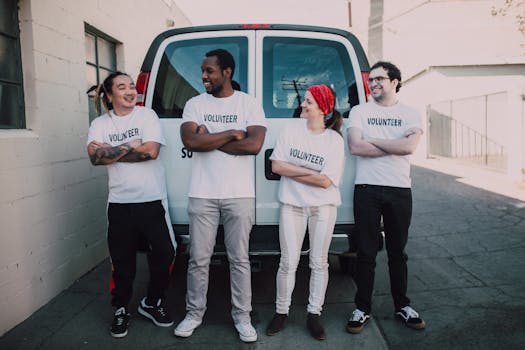 Photo: RDNE Stock project / Pexels
 Photo: Mikael Blomkvist / Pexels
 Photo: RDNE Stock project / Pexels
 Photo: RDNE Stock project / Pexels