✓ Over 1.5 million nonprofits operate in the US, contributing significantly to the economy and social welfare.
✓ Nonprofit consulting can improve fundraising by 20-50% for organizations with well-defined strategies.
✓ Strategic planning is the most common service sought by nonprofits from consultants.
✓ The US nonprofit sector employs over 12 million people, making it the third-largest employer.
How It Works
1
Initial Needs Assessment & Discovery
We begin by deeply understanding your mission, current challenges, and long-term aspirations. This involves comprehensive interviews, data review, and stakeholder engagement to identify core areas for improvement.
2
Custom Strategy Development
Based on the assessment, our experts craft a tailored strategic roadmap. This plan outlines specific goals, actionable steps, key performance indicators, and resource allocation to achieve your desired outcomes.
3
Implementation Support & Coaching
We don't just provide recommendations; we partner with you through the implementation phase. This includes training, ongoing coaching, and hands-on support to ensure successful execution and adoption of new strategies.
4
Impact Measurement & Continuous Improvement
Our process includes establishing robust metrics to track progress and measure real-world impact. We help you evaluate results, refine strategies, and foster a culture of continuous improvement for sustained success.
Understanding the Landscape of Nonprofit Consulting Services US
Photo: RDNE Stock project / Pexels
The United States boasts a vibrant and diverse nonprofit sector, a powerful engine for social change, community development, and addressing critical societal needs. However, the very nature of this sector—driven by mission rather than profit, reliant on often unpredictable funding, and navigating complex regulatory environments—presents unique challenges. This is where specialized nonprofit consulting services US become not just beneficial, but often essential for sustained growth and impactful operations. These services offer external expertise, fresh perspectives, and strategic guidance to help organizations overcome hurdles, optimize performance, and achieve their mission more effectively.
Nonprofit consulting encompasses a broad spectrum of specialized areas, each designed to address specific organizational needs. At its core, it's about leveraging external knowledge and experience to strengthen internal capacities. For instance, a small community foundation struggling with donor retention might seek fundraising consulting, while a rapidly expanding advocacy group might require strategic planning to manage its growth. Unlike for-profit businesses, nonprofits operate under a different set of financial and ethical imperatives. Their 'bottom line' is measured in social impact, community benefit, and mission fulfillment, which requires consultants with a deep understanding of this unique ecosystem. This understanding goes beyond standard business practices, delving into donor psychology, volunteer management, grant compliance, and the intricacies of public perception.
Expert consultants bring a wealth of experience from working with various organizations, allowing them to identify best practices and potential pitfalls that internal teams might overlook. They can act as objective facilitators, helping boards and staff navigate difficult decisions or internal conflicts. This external perspective is crucial when an organization is too close to its own problems to see clear solutions. Moreover, the regulatory environment for nonprofits in the US is constantly evolving, with new compliance requirements, tax laws, and reporting standards emerging regularly. Consultants specializing in governance and compliance can ensure organizations remain in good standing, protecting their tax-exempt status and public trust. The value proposition of nonprofit consulting isn't just about problem-solving; it's about future-proofing. It's about building resilient organizations capable of adapting to changing landscapes, securing diverse funding streams, and maximizing their social return on investment. Whether it's developing a robust marketing strategy, implementing new technology, or fostering strong board leadership, these services are tailored to empower nonprofits to not just survive, but thrive and make a profound difference in the communities they serve across the nation. The investment in expert guidance often translates into significant returns in terms of increased funding, improved operational efficiency, and ultimately, greater impact.
Key Areas Where Nonprofit Consulting Drives Impact
Photo: Max Fischer / Pexels
Nonprofit consulting services in the US are not a one-size-fits-all solution; rather, they are highly specialized, addressing distinct facets of an organization's operations and mission. Understanding these key areas helps nonprofits identify where external expertise can yield the most significant returns. One of the most frequently sought-after areas is strategic planning. Many nonprofits operate with passionate dedication but may lack a clear, actionable roadmap for the future. Strategic planning consultants facilitate a comprehensive process that involves analyzing the current state, defining a compelling vision, setting measurable goals, and outlining specific strategies to achieve them. This ensures resources are allocated effectively, efforts are coordinated, and the entire organization is aligned toward common objectives. A well-crafted strategic plan provides clarity, direction, and a framework for decision-making, which is particularly vital in resource-constrained environments.
Another critical domain is fundraising and development. For most nonprofits, securing consistent and diverse funding is paramount to their survival and growth. Fundraising consultants bring expertise in grant writing, major gift solicitation, annual campaigns, capital campaigns, planned giving, and donor relations. They can help organizations identify new funding sources, refine their case for support, build robust donor pipelines, and implement effective stewardship strategies. Their knowledge of philanthropic trends, foundation priorities, and donor motivations can significantly increase an organization's fundraising capacity and financial stability. This is not just about asking for money; it's about building long-term relationships and demonstrating impact to potential funders.
Organizational development and capacity building form another cornerstone of nonprofit consulting. This area focuses on strengthening an organization's internal structures, processes, and human capital. It can include board development, leadership coaching, staff training, succession planning, and improving internal communications. A strong, well-governed board is crucial for oversight and strategic direction, and consultants can help recruit, train, and engage board members effectively. Similarly, improving operational efficiency, often through process optimization or technology implementation, can free up valuable resources that can be redirected to mission-critical programs. This type of consulting aims to build a more resilient, adaptive, and high-performing organization from the inside out.
Finally, program evaluation and impact measurement are increasingly vital. Donors, foundations, and the public demand evidence that their investments are making a tangible difference. Consultants specializing in program evaluation help nonprofits design robust evaluation frameworks, collect meaningful data, analyze outcomes, and articulate their impact clearly and compellingly. This not only satisfies reporting requirements but also provides invaluable insights for program improvement and strategic adjustments. By demonstrating measurable impact, nonprofits can build greater credibility, attract more support, and refine their approaches to achieve even greater social change. Each of these areas, while distinct, often interrelate, and comprehensive consulting engagements may touch upon several of these strategic pillars to ensure holistic organizational health and effectiveness.
Choosing the Right Nonprofit Consulting Services US: What to Look For
Photo: RDNE Stock project / Pexels
Selecting the appropriate nonprofit consulting services US is a critical decision that can significantly influence your organization's future success. It’s not merely about finding a consultant, but about finding the right partner whose expertise, values, and approach align with your unique needs and organizational culture. The first and perhaps most important factor to consider is specialized expertise. Does the consultant or firm have a proven track record specifically within the nonprofit sector, and ideally, within your specific sub-sector (e.g., environmental, arts, education, human services)? General business consultants may offer valuable skills, but the nuances of nonprofit governance, funding, and mission-driven operations require a specialized understanding that only dedicated nonprofit consultants possess. Look for evidence of successful engagements with organizations similar in size and scope to yours.
Beyond expertise, experience and reputation are paramount. Request case studies, testimonials, and references from past clients. A reputable consultant will be transparent about their successes and challenges, demonstrating a commitment to ethical practice and measurable results. Inquire about the specific team members who will be working on your project and their individual qualifications. It's often beneficial to have a lead consultant with deep industry knowledge, supported by a team with diverse skill sets that can cover various aspects of your project, from data analysis to communications. A strong reputation is built on consistent delivery of high-quality, impactful work and positive client relationships.
Compatibility and communication are equally crucial. A consulting engagement is a partnership, and effective collaboration hinges on clear communication, mutual respect, and a shared understanding of goals. During initial conversations, assess how well the consultant listens to your needs, asks insightful questions, and articulates their proposed approach. Do they seem genuinely invested in your mission? Do they communicate complex ideas in an understandable way? A good consultant acts as an extension of your team, not just an external vendor. Look for a partner who is accessible, responsive, and willing to adapt their approach as circumstances evolve.
Finally, consider the proposed methodology and pricing structure. A detailed proposal should outline the scope of work, deliverables, timelines, and fees. Be wary of overly generic proposals or those that lack transparency. A good consultant will provide a clear project plan that includes milestones and opportunities for your team's input. While cost is always a factor, focus on value for money rather than simply the lowest bid. A more expensive consultant who delivers transformative results may be a far better investment than a cheaper one who provides superficial recommendations. Discuss payment terms, potential for phased engagements, and what happens if scope changes. By thoroughly evaluating these factors, you can confidently choose nonprofit consulting services in the US that will truly empower your organization to achieve its greatest impact.
Common Mistakes to Avoid When Engaging Nonprofit Consultants
Photo: Gustavo Fring / Pexels
Engaging nonprofit consulting services in the US can be a game-changer, but like any strategic investment, there are pitfalls to avoid to ensure a successful outcome. One of the most common mistakes is a lack of clarity regarding the problem or desired outcome. Before even contacting consultants, your organization should have a clear understanding of what challenges you're facing and what you hope to achieve. Without this internal clarity, you risk hiring a consultant for the wrong reasons or receiving recommendations that don't address your core issues. Take the time to conduct an internal assessment, gather data, and articulate specific goals you want the consulting engagement to help you reach.
Another frequent error is failing to properly vet consultants. It's not enough to simply choose the first firm that responds or the cheapest option. As discussed, specialized expertise, a proven track record, and strong references are non-negotiable. Don't skip due diligence; thoroughly check references, review case studies, and conduct detailed interviews with potential consultants. Ensure they understand the unique regulatory and operational environment of US nonprofits. A consultant who excels in the for-profit world may not have the nuanced understanding required for mission-driven organizations.
Underestimating the internal resources required is another significant pitfall. While consultants bring external expertise, successful engagements require active participation and commitment from your staff and board. This includes dedicating time for meetings, providing necessary data and documentation, and being open to new ideas and change. If your team is already stretched thin, consider if you have the capacity to fully engage in the consulting process. Without internal buy-in and active participation, even the best recommendations will likely gather dust.
Finally, a critical mistake is viewing the consulting engagement as a one-off transaction rather than a partnership for transformation. The goal isn't just to receive a report; it's to implement sustainable change. This means planning for post-consulting integration, allocating resources for implementation, and fostering a culture of continuous learning and adaptation. A good consultant will help you build internal capacity, not create dependency. Ensure your agreement includes clear deliverables, timelines, and a plan for how your organization will take ownership of the strategies moving forward. Avoiding these common mistakes will significantly increase the likelihood of a successful and impactful consulting experience for your nonprofit.
* **Mistake 1: Unclear Objectives** - Starting a consulting project without a precise definition of the problem or desired outcome.
* **Mistake 2: Inadequate Vetting** - Not thoroughly checking consultant references, experience, and nonprofit-specific expertise.
* **Mistake 3: Insufficient Internal Engagement** - Failing to allocate staff time and resources for active participation in the consulting process.
* **Mistake 4: Expecting a Magic Bullet** - Believing the consultant will do all the work without internal commitment to implementation.
* **Mistake 5: Ignoring Cultural Fit** - Overlooking whether the consultant's approach aligns with your organization's values and working style.
* **Mistake 6: Focusing Only on Cost** - Prioritizing the lowest bid over the value, expertise, and potential long-term impact.
* **Mistake 7: Lack of Follow-Through** - Receiving recommendations but failing to dedicate resources for their implementation post-engagement.
Comparison
Feature
Strategic Planning Consultant
Fundraising Consultant
Operations Consultant
General Business Consultant
Primary Focus
Long-term vision, mission alignment
Revenue generation, donor relations
Efficiency, process optimization
Profit growth, market share
Nonprofit Specialization
✓
✓
✓
✗ (often lacking)
Key Deliverables
Strategic plan, theory of change
Fundraising strategy, grant proposals
Process maps, tech recommendations
Market analysis, business plan
Typical Engagement Length
3-6 months
6-12+ months (ongoing)
2-5 months
Varies widely
Impact Metric
Mission achievement, program growth
Dollars raised, donor retention
Cost savings, time efficiency
ROI, sales increase
What Our Readers Say
5★★★★★
"Our experience with nonprofit consulting services US was transformative. They helped us refine our strategic plan, resulting in a 30% increase in grant funding within the first year. Their team truly understood our mission and challenges."
Sarah ChenBoston, MA
5★★★★★
"We engaged a consultant for our capital campaign, and their guidance was invaluable. From crafting compelling messaging to donor cultivation strategies, their expertise in nonprofit consulting services US led to us exceeding our fundraising goal by 15%."
Michael DavisAustin, TX
5★★★★★
"Our small arts nonprofit struggled with board engagement. The organizational development consultants provided through nonprofit consulting services US delivered tailored training and a governance framework that revitalized our board, leading to more effective leadership and stronger donor relationships."
Emily RodriguezSeattle, WA
4★★★★☆
"The strategic planning phase was incredibly thorough and insightful. While implementation required more internal resources than initially anticipated, the clarity and direction we gained from these nonprofit consulting services US have set us on a path for sustainable growth."
David KimChicago, IL
5★★★★★
"As a new nonprofit, we were overwhelmed by compliance and operational setup. The consultants specializing in nonprofit consulting services US streamlined our processes, ensured legal adherence, and established efficient workflows, allowing us to focus on delivering our programs with confidence."
Jessica LeeMiami, FL
Frequently Asked Questions
What specifically do nonprofit consulting services US offer?
Nonprofit consulting services in the US offer specialized expertise across various areas including strategic planning, fundraising, board development, organizational development, program evaluation, marketing, and operational efficiency. They help nonprofits clarify their mission, optimize resource allocation, enhance financial sustainability, and ultimately maximize their social impact within the unique regulatory and philanthropic landscape of the United States.
Is nonprofit consulting only for large organizations?
No, nonprofit consulting is beneficial for organizations of all sizes. While large nonprofits might seek complex strategic overhauls, smaller and emerging nonprofits often benefit immensely from guidance on foundational elements like grant writing, board recruitment, or developing an initial fundraising plan. Consultants can tailor their services to fit different budgets and organizational scales.
How do I choose the best nonprofit consulting firm for my organization?
To choose the best firm, first define your specific needs. Then, look for consultants with proven experience in the nonprofit sector and your specific area of need (e.g., fundraising, strategic planning). Check references, ask for case studies, ensure a good cultural fit, and get a detailed proposal outlining scope, deliverables, timeline, and fees. Prioritize expertise and alignment over just cost.
What is the typical cost structure for nonprofit consulting services?
Nonprofit consulting costs vary widely based on the scope, duration, and expertise required. Consultants may charge hourly rates, project-based fees, or retainer fees. Some may offer sliding scales or pro-bono work for very small or emerging organizations. It's crucial to get a detailed quote and understand what's included before committing, focusing on the value and potential return on investment.
How do nonprofit consulting services differ from general business consulting?
Nonprofit consulting differs significantly from general business consulting because it operates within a mission-driven, rather than profit-driven, framework. Nonprofit consultants understand the unique challenges of fundraising, volunteer management, board governance, compliance with 501(c)(3) regulations, and measuring social impact. Their strategies are tailored to achieve mission effectiveness and donor trust, not just financial gains.
Who should use nonprofit consulting services US?
Any nonprofit organization in the US facing growth challenges, fundraising plateaus, strategic ambiguities, governance issues, or seeking to enhance its overall impact and sustainability should consider using nonprofit consulting services. It's particularly valuable for organizations undergoing significant transitions, launching new initiatives, or looking to optimize existing operations.
What are the risks of not engaging with nonprofit consulting services?
Without expert guidance, nonprofits risk stagnation, inefficient resource allocation, missed funding opportunities, compliance issues, and burnout among staff and board members. They may struggle to adapt to changing environments, fail to articulate their impact effectively, and ultimately fall short of their full potential for social change, leading to reduced long-term sustainability.
What are future trends in nonprofit consulting?
Future trends in nonprofit consulting include an increased focus on digital transformation, data analytics for impact measurement, diversity, equity, and inclusion (DEI) initiatives, and sustainable impact models. Consultants will increasingly help nonprofits leverage technology for fundraising and operations, develop more inclusive practices, and adapt to evolving donor expectations for transparency and measurable outcomes.
Ready to elevate your mission and achieve greater impact? Explore how specialized nonprofit consulting services in the US can provide the strategic guidance, expertise, and support your organization needs to thrive. Contact us today for a consultation and unlock your full potential.

 Photo: cottonbro studio / Pexels
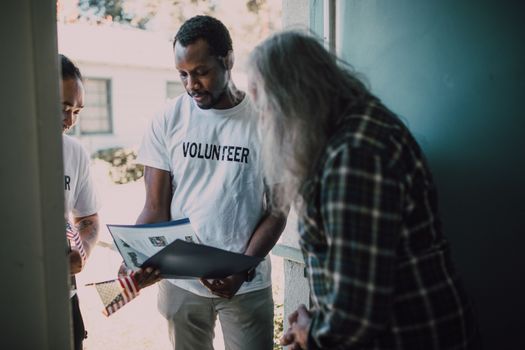 Photo: RDNE Stock project / Pexels
 Photo: Max Fischer / Pexels
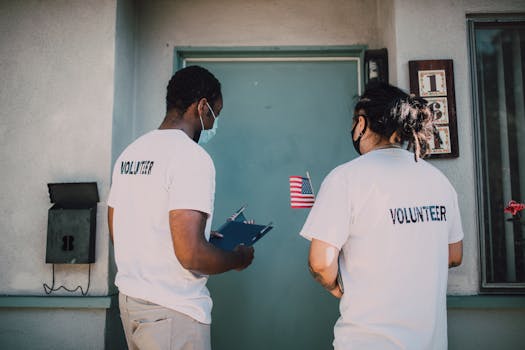 Photo: RDNE Stock project / Pexels
 Photo: Gustavo Fring / Pexels