Impactful volunteer opportunities for youth US
volunteer opportunities for youth US

Impactful volunteer opportunities for youth US

Empower young people to make a meaningful difference in their communities and beyond through diverse volunteer roles.

Find Your Cause

Key Takeaways

  • ✓ Youth volunteering fosters critical life skills like leadership and problem-solving.
  • ✓ Participation in community service can enhance college applications and scholarship prospects.
  • ✓ Over 50% of US teens volunteer annually, contributing billions in service hours.
  • ✓ Volunteer experiences can expose youth to diverse career paths and build professional networks.

How It Works

1
Identify Your Passions

Consider what causes or issues you care deeply about. This will guide you toward fulfilling volunteer roles.

2
Research Local & National Programs

Explore various organizations, both nearby and across the US, that align with your interests and availability. Look for programs specifically designed for youth.

3
Apply & Prepare

Complete necessary applications, attend orientations, and understand the requirements for your chosen volunteer role. Be ready to commit and learn.

4
Engage & Reflect

Actively participate in your volunteer duties, embrace new experiences, and reflect on the impact you're making. Document your journey and skills gained.

The Transformative Power of Youth Volunteering in the US
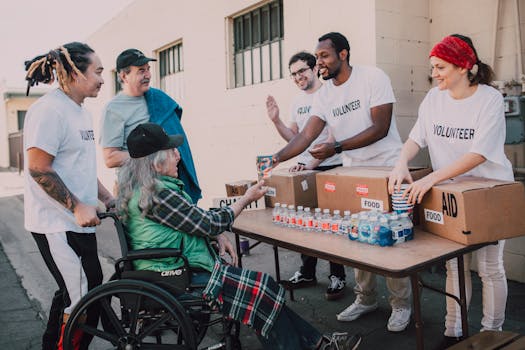
Volunteers distribute bottled water and supplies to diverse individuals in an outdoor setting, showcasing community support. Photo: RDNE Stock project / Pexels
Volunteering is more than just an activity; for young people in the United States, it's a profound journey of self-discovery, community building, and skill development. In a rapidly evolving world, the demand for compassionate, engaged, and skilled individuals has never been higher, and nonprofit organizations nationwide are increasingly relying on the energy and fresh perspectives that youth volunteers bring. Engaging in volunteer opportunities for youth US offers a unique blend of personal growth and societal impact. It provides a platform for young individuals to step outside their comfort zones, interact with diverse populations, and confront real-world challenges directly. This hands-on experience is invaluable, often teaching lessons that cannot be replicated in a classroom setting. From environmental conservation efforts to supporting underserved communities, the scope of youth volunteering is vast and varied, ensuring there's a cause for every interest. Beyond the immediate impact on the communities served, volunteering plays a critical role in the holistic development of young people. It cultivates essential soft skills such as empathy, communication, teamwork, and problem-solving – attributes highly sought after in academic and professional environments. For many, it's their first exposure to leadership roles, organizational structures, and the complexities of social issues. These experiences not only bolster self-confidence but also instill a strong sense of civic responsibility, encouraging a lifelong commitment to service. Furthermore, volunteer work can significantly enhance college applications and scholarship prospects, demonstrating initiative, commitment, and a well-rounded character. Universities and employers alike recognize the value of practical experience gained through volunteering, viewing it as a strong indicator of a candidate's potential and readiness for future challenges. It's a testament to a young person's willingness to contribute beyond personal gain, showcasing their dedication to making a positive difference. The act of volunteering also connects youth with mentors and peers who share similar values, building networks that can provide support, inspiration, and future opportunities. These connections can be pivotal in shaping career paths and personal philosophies. The sheer diversity of available roles means that whether a young person is passionate about animals, education, health, or social justice, there's a meaningful way for them to contribute. This section aims to illuminate the multifaceted benefits of youth volunteering, emphasizing its role not just as a charitable act, but as a crucial component of personal and societal progress across the United States. We will explore how these experiences contribute to building a more resilient, empathetic, and engaged generation, ready to tackle the challenges of tomorrow.

Diverse Avenues: Exploring Specific Volunteer Opportunities for Youth US

A mother helps her son with homework using a tablet and notebook at a wooden table indoors. Photo: Tima Miroshnichenko / Pexels
The landscape of volunteer opportunities for youth across the US is incredibly diverse, offering a rich tapestry of experiences that cater to varied interests and skill sets. Understanding the breadth of these opportunities is the first step for any young person eager to make a difference. Environmental conservation, for instance, provides hands-on roles for those passionate about nature. Youth can participate in park clean-ups, trail maintenance, reforestation projects, or even urban gardening initiatives. Organizations like the National Park Service, local conservation groups, and community gardens frequently seek young volunteers to help preserve natural habitats, improve public green spaces, and educate others on sustainability. These roles not only contribute to ecological health but also teach practical skills in horticulture, land management, and environmental science. Another significant area is education and mentorship. Many schools, libraries, and after-school programs are in constant need of volunteers to tutor younger students, assist with homework, read to children, or help organize educational events. Programs like Big Brothers Big Sisters of America often engage older teens as mentors, providing guidance and positive role models to younger children. This type of volunteering is incredibly rewarding, fostering leadership skills in the older youth while directly impacting the academic and personal development of the younger generation. It’s an excellent way for students interested in teaching or child development to gain valuable experience. Health and human services represent another vast category. Hospitals, nursing homes, and food banks regularly welcome youth volunteers. In hospitals, teens might assist with administrative tasks, help transport patients, or provide companionship to those recovering. At nursing homes, activities can range from reading to residents, organizing games, or simply sharing stories, bringing joy and connection to the elderly. Food banks and shelters offer critical roles in organizing donations, preparing meals, and distributing resources to those in need. These roles expose youth to critical social issues and cultivate empathy and compassion, often inspiring future careers in healthcare or social work. Animal welfare organizations, such as local animal shelters and humane societies, also offer compelling opportunities. Youth can help with cleaning kennels, walking dogs, playing with cats, assisting with adoption events, or even fostering animals. This work provides direct care to animals in need and helps to raise awareness about animal rights and responsible pet ownership. It’s particularly appealing for animal lovers and can be a gateway to veterinary science or animal behavior studies. Finally, community development and civic engagement initiatives offer youth the chance to shape their local environments. This can include participating in local government youth councils, organizing community events, advocating for social change, or assisting with voter registration drives. Organizations like Youth Service America (YSA) and various local community centers facilitate these types of engagements, empowering young people to become active citizens and catalysts for positive change within their own neighborhoods and beyond. Each of these avenues not only provides vital support to the community but also serves as a critical learning ground for young individuals, helping them to discover their strengths, interests, and potential career paths.

Navigating the Path: Finding and Securing Your Ideal Volunteer Role
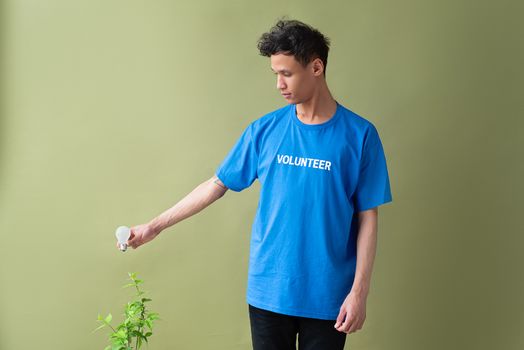
Young volunteer in a blue shirt promoting eco-friendly practices by holding a light bulb next to a plant. Photo: Mikhail Nilov / Pexels
Embarking on the journey to find the perfect volunteer opportunity for youth US can seem daunting, but with a structured approach, it becomes an exciting exploration. The first crucial step is self-reflection. Encourage young individuals to consider their passions, skills, and the amount of time they can realistically commit. Are they passionate about animals, environmental issues, helping the elderly, or advocating for social justice? Do they possess strong communication skills, a knack for organization, or a creative flair? Understanding these personal attributes will significantly narrow down the search and lead to a more fulfilling experience. For instance, a young person who loves technology might seek roles helping seniors with digital literacy, while an aspiring artist could volunteer to create murals for a community center. Once interests are identified, the next step involves leveraging various resources to discover available opportunities. Online platforms are incredibly powerful tools. Websites like VolunteerMatch, Idealist, and Points of Light are comprehensive databases that allow users to search for volunteer roles by interest, location, and age requirements. Many nonprofit organizations also list opportunities directly on their own websites. School guidance counselors, community centers, and local libraries are often excellent local resources, providing information on organizations within the immediate vicinity that welcome youth volunteers. They might also have bulletin boards or newsletters detailing local community service events. Networking is also surprisingly effective; talking to friends, family members, and teachers about their volunteer experiences can unearth hidden gems or provide personal recommendations. When a potential opportunity is found, the application process typically follows. This often involves filling out an application form, which may include questions about interests, availability, and any prior experience. Some organizations require a background check, especially for roles involving vulnerable populations, and parental consent forms for minors. Interviews, either formal or informal, are also common. These are opportunities for the organization to assess suitability and for the young volunteer to ask questions and gauge if the role is a good fit. It’s important for youth to prepare for these interactions, showcasing their enthusiasm and commitment. Being punctual, polite, and asking thoughtful questions demonstrates maturity and dedication. Finally, understanding the commitment involved is vital for a successful volunteering experience. Organizations often have specific schedules and expectations. Clarifying these upfront helps manage expectations and ensures the young person can fulfill their responsibilities. Some roles might be short-term, project-based commitments, perfect for summer breaks, while others might require a regular, ongoing commitment throughout the school year. Flexibility and reliability are highly valued traits in volunteers. By thoroughly researching, preparing for the application process, and understanding the commitment, young people can effectively navigate the path to securing a volunteer role that aligns with their aspirations and allows them to make a tangible, positive impact within their communities across the US.

Maximizing Your Impact: Tips for Youth Volunteers and Common Pitfalls to Avoid

A teenager in a red sweater studying in a library, surrounded by bookshelves. Photo: BOOM 💥 Photography / Pexels
To truly make the most of volunteer opportunities for youth US, a strategic approach is key. It's not just about showing up; it's about active engagement and continuous learning. Here are some essential tips to maximize your impact: * **Be Proactive and Enthusiastic:** Don't wait to be told what to do. Look for ways to help, ask questions, and show genuine interest in the cause. A positive attitude is infectious and makes you a valuable team member. * **Communicate Clearly:** If your availability changes or you have concerns, communicate them promptly and clearly with your volunteer coordinator. Good communication prevents misunderstandings and demonstrates responsibility. * **Be Reliable and Punctual:** Your commitment is crucial to the organization. Arrive on time, complete your tasks diligently, and follow through on promises. Consistency builds trust and ensures the organization can depend on you. * **Embrace Learning:** Every volunteer role offers a chance to learn new skills, understand different perspectives, and gain knowledge about social issues. Be open to new experiences and ask for feedback to improve. * **Document Your Experience:** Keep a record of your hours, tasks performed, and skills acquired. This is invaluable for resumes, college applications, and personal reflection. * **Network Respectfully:** Engage with staff, other volunteers, and beneficiaries. These connections can lead to mentorship, future opportunities, and a deeper understanding of the field. * **Reflect on Your Impact:** Take time to consider how your efforts are contributing to the organization's mission and the lives of those it serves. This fosters a sense of purpose and reinforces the value of your work. While the benefits of volunteering are immense, there are also common pitfalls that young volunteers should strive to avoid: * **Overcommitting:** Taking on too many responsibilities can lead to burnout, missed shifts, and a negative experience. Be realistic about your time and capacity. * **Lack of Follow-Through:** Abandoning a commitment prematurely or not completing assigned tasks can disrupt operations and leave organizations in a difficult position. See your commitments through. * **Expecting Immediate Gratification:** Some volunteer work involves long-term goals, and the impact might not always be immediately visible. Focus on the process and the cumulative effect of your efforts. * **Ignoring Rules or Guidelines:** Every organization has protocols for safety, confidentiality, and conduct. Adhere to these strictly to ensure a safe and respectful environment for everyone. * **Being Disengaged:** Simply showing up without actively participating or interacting can diminish the experience for both the volunteer and the organization. Be present and engaged. * **Not Asking for Help:** If you're unsure about a task or struggling, don't hesitate to ask for clarification or assistance. It's better to ask than to make a mistake. By following these tips and being mindful of potential missteps, youth volunteers can ensure their contributions are meaningful, their experiences are enriching, and they leave a lasting positive impression on the organizations and communities they serve.

Comparison

FeatureLocal Community CenterNational Non-profit ChapterOnline Skill-Based Volunteering
Geographic ScopeHyper-localRegional/StatewideGlobal/Remote
Direct InteractionHighModerate-HighLow-Moderate
FlexibilityModerateModerate-Low (structured)High
Skill DevelopmentBroad (generalist)Specialized (program-specific)Specialized (digital/creative)
Time CommitmentVariable (hourly/weekly)Structured (weekly/monthly)Project-based (flexible)
Resume Enhancement
Networking PotentialLocal communityRegional professionalsGlobal connections

What Readers Say

"Volunteering at the local animal shelter through a youth program was incredible. I learned so much about animal care and realized my passion for veterinary medicine. It was truly one of the best volunteer opportunities for youth US in my area."

Sarah Chen · Seattle, WA

"As a high school student, I joined a mentorship program for younger kids. It gave me confidence and taught me leadership skills I never knew I had. Seeing the kids improve because of my help was so rewarding."

Javier Rodriguez · Miami, FL

"My experience with a national environmental group led to me organizing a successful park cleanup with over 50 participants. This hands-on impact was exactly what I was looking for in volunteer opportunities for youth US, and it boosted my college application."

Emily White · Austin, TX

"Working at the food bank was eye-opening. While the work could be physically demanding, knowing I was directly helping families in need made it worthwhile. I wish there were more flexible evening shifts for students."

David Kim · Chicago, IL

"I volunteered remotely for a non-profit, helping with their social media outreach. It allowed me to use my digital skills for a good cause, fitting perfectly with my busy schedule. It's a fantastic option for volunteer opportunities for youth US who want flexibility."

Chloe Green · Denver, CO

Frequently Asked Questions

What are the age requirements for volunteer opportunities for youth US?

Age requirements vary significantly by organization and the nature of the volunteer role. Many organizations accept volunteers starting from age 13 or 14 with parental consent, while others, especially those involving direct interaction with vulnerable populations or operating heavy machinery, may require volunteers to be 16 or 18 years old. Always check the specific program's requirements before applying.

Do I need special skills or experience to volunteer?

Most entry-level volunteer opportunities for youth US do not require prior experience or specialized skills. Organizations are often looking for enthusiasm, a willingness to learn, and a reliable commitment. Some roles, however, might benefit from specific skills like computer literacy, language proficiency, or artistic talent, but these are usually clearly stated in the role description.

How can I find volunteer opportunities that fit my school schedule?

To find opportunities that fit your school schedule, look for programs offering weekend, evening, or summer-only commitments. Many organizations are flexible and can work with student schedules, offering short shifts or project-based roles. Online search platforms often allow filtering by availability, making it easier to find suitable options.

Is volunteering expensive, or are there free options?

The vast majority of volunteer opportunities for youth US are free. You are donating your time and effort. Some specialized programs, especially international or extended residential programs, might have fees to cover accommodation, travel, or administrative costs, but these are usually clearly outlined. Local volunteering is almost always free.

How do volunteer opportunities for youth US compare to internships for career development?

While both offer valuable experience, volunteer opportunities for youth US are typically focused on community service and personal growth, often without a direct career path expectation. Internships are usually more structured, career-focused, and may be paid, aiming to provide direct professional experience in a specific field. Volunteering can, however, serve as a foundational step, building soft skills and demonstrating initiative that can lead to internships later.

Who should consider volunteer opportunities for youth US?

Any young person in the US looking to make a positive impact, develop new skills, meet like-minded individuals, explore career interests, or fulfill service requirements should consider volunteer opportunities. It's particularly beneficial for those seeking to enhance college applications, gain real-world experience, or simply contribute to causes they care about.

What safety measures are in place for youth volunteers?

Reputable organizations offering volunteer opportunities for youth US prioritize safety. This often includes requiring background checks for adult staff, providing clear supervision, offering safety briefings, and ensuring a safe working environment. Parental consent forms are standard for minors, and organizations typically have policies for reporting concerns or incidents. Always inquire about an organization's safety protocols.

What are the future trends in youth volunteering in the US?

Future trends in youth volunteering in the US include a rise in virtual and skill-based volunteering, allowing youth to contribute remotely using digital skills. There's also a growing emphasis on youth-led initiatives, empowering young people to design and manage their own service projects. Environmental and social justice causes are expected to remain strong areas of focus, reflecting youth's increasing awareness and activism.

Embrace the incredible journey of giving back. Explore the myriad of volunteer opportunities for youth US today and discover how your time and passion can create lasting positive change, both in your community and in your own life. Start making a difference now!

Topics: volunteer opportunities for youth USteen volunteering Americayouth community service USAhigh school volunteer programsstudent civic engagement
Leo List
Brampton weed
Adultwork EstrelaBet Vai de Bet R7 Bet Betão Galera Bet Rainbet Bet9ja Shop SportyBet BetKing Sisal Loto Foot Hollywoodbets YesPlay Odibets RushBet Jugabet BetWarrior BetCity MSport betPawa Fortebet