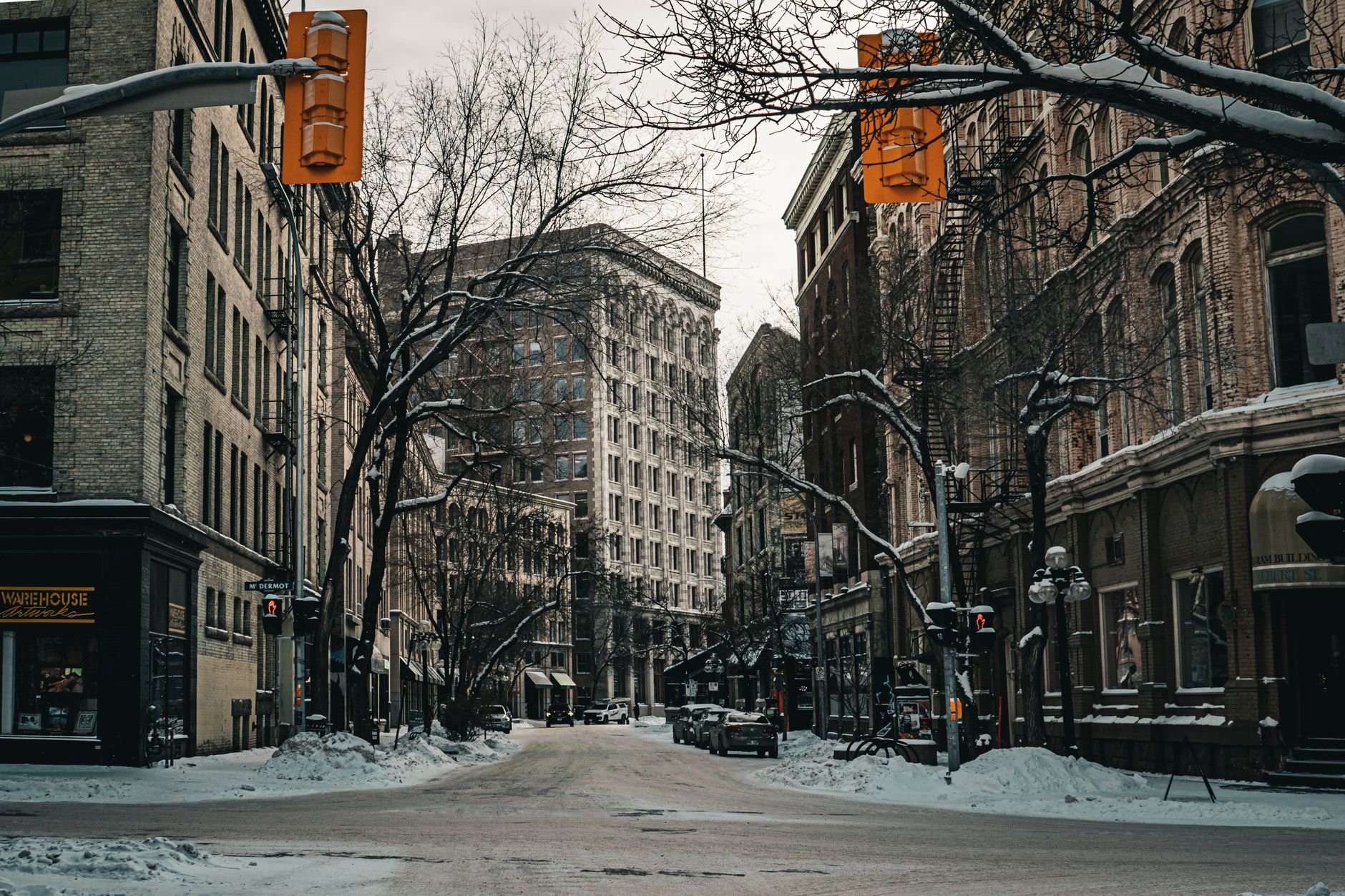
What is the Cost of Living in Winnipeg? Your Guide to Affordability
Cost of living in Winnipeg?

What is the Cost of Living in Winnipeg? Your Guide to Affordability

Explore Winnipeg's cost of living across key categories to make informed financial decisions for your future.

Plan Your Winnipeg Budget

Key Takeaways

  • ✓ Winnipeg offers a lower cost of living compared to many major Canadian cities.
  • ✓ Housing is often the largest expense, but generally more affordable than Toronto or Vancouver.
  • ✓ Public transit is available, but car ownership is common due to city sprawl.
  • ✓ Healthcare is publicly funded, reducing out-of-pocket medical expenses.
  • ✓ Utilities like electricity are relatively inexpensive in Manitoba.

How It Works

1
Understand Key Expense Categories

We break down your potential budget into housing, transportation, food, and more. This helps you see where your money will likely go.

2
Compare with Your Current Location

Use the provided data to compare Winnipeg's costs against where you live now. This gives you a clear picture of potential savings or increased expenses.

3
Factor in Income and Opportunities

Consider average salaries and job market trends in Winnipeg relevant to your field. A lower cost of living is amplified by good income potential.

4
Utilize Local Resources and Support

Discover nonprofit services and community programs that can help manage expenses. These resources are invaluable for new residents and those on a tight budget.

Understanding the Average Cost of Living in Winnipeg

Winnipeg, the capital city of Manitoba, often flies under the radar when compared to its larger Canadian counterparts like Toronto, Vancouver, or Montreal. However, for those seeking a vibrant urban experience without the exorbitant price tag, Winnipeg presents a compelling option. The overall cost of living here is significantly more affordable, making it an attractive destination for students, young professionals, families, and retirees alike. This comprehensive guide aims to dissect the various components that contribute to the cost of living in Winnipeg, providing you with a realistic financial snapshot. We'll delve into everything from housing and utilities to transportation, groceries, and leisure activities, offering a detailed breakdown that empowers you to make informed decisions. Unlike many global cities where a substantial portion of your income is consumed by rent alone, Winnipeg allows for a greater proportion of your earnings to be allocated towards savings, investments, or discretionary spending. This can translate into a higher quality of life and less financial stress, which is a key advantage for many individuals and families. The city's economic landscape is diverse, with strong sectors in aerospace, manufacturing, agriculture, and healthcare, contributing to a stable job market. Understanding these factors is crucial for anyone considering a move, as a lower cost of living combined with stable employment opportunities can create a very favorable financial environment. Our analysis goes beyond mere numbers, exploring the nuances of everyday life and how they impact your wallet. For instance, while housing costs are lower, understanding the property tax rates or the average utility bills is essential for a true financial picture. We also consider the availability of community support programs and resources that can further alleviate financial burdens, particularly for newcomers or those facing economic challenges. These programs, often run by dedicated nonprofits, play a vital role in ensuring that Winnipeg remains accessible and supportive for all its residents. By the end of this section, you'll have a foundational understanding of what it truly means to live financially in Winnipeg, setting the stage for deeper dives into specific expense categories. This holistic view is critical for anyone planning a budget or contemplating a relocation, ensuring no stone is left unturned in your financial assessment of this prairie gem.

Housing Costs: Renting, Buying, and Utilities in Manitoba

Housing is universally recognized as the single largest expense for most households, and Winnipeg is no exception. However, what sets Winnipeg apart is the relative affordability of its housing market compared to other major Canadian cities. Whether you're looking to rent an apartment, purchase a home, or simply understand the utility landscape, this section provides crucial insights. **Renting:** The rental market in Winnipeg offers a wide range of options, from downtown high-rises to suburban family homes. For a one-bedroom apartment in the city center, you can expect to pay anywhere from $900 to $1,300 per month. Outside the city center, these prices tend to drop, often ranging from $750 to $1,100. Two-bedroom apartments typically range from $1,200 to $1,800, depending on location, age of the building, and amenities. These figures are considerably lower than comparable units in cities like Toronto or Vancouver, where a one-bedroom can easily exceed $2,000. It's important to factor in that many rental agreements may or may not include utilities, so always clarify this when searching for a place. **Buying:** For those looking to purchase property, Winnipeg's real estate market is notably more accessible. The average detached home price in Winnipeg hovers around $350,000 to $400,000, while townhouses and condominiums can be found for significantly less, often in the $200,000 to $300,000 range. This affordability allows many first-time homebuyers to enter the market sooner than in other provinces, building equity and long-term financial stability. Property taxes are a factor to consider, and they vary by neighborhood and property value, typically ranging from 1.5% to 2.5% of the assessed value annually. Mortgage payments, combined with property taxes and home insurance, will form the bulk of your monthly housing costs. **Utilities:** Manitoba benefits from hydroelectric power, which translates to relatively low electricity costs. A typical monthly electricity bill for a one-bedroom apartment might be around $50-$80, while a larger family home could see bills ranging from $100-$200, depending on usage and season (especially with air conditioning in summer). Natural gas, used for heating in many homes, will fluctuate significantly with the seasons; expect higher bills in the colder winter months (e.g., $80-$150) and lower bills in summer (e.g., $30-$50). Water and wastewater services are usually billed separately, often costing $50-$70 per month for an average household. Internet services typically range from $60-$100 per month, depending on speed and provider, while mobile phone plans can cost anywhere from $40-$80. When budgeting for utilities, it’s always wise to factor in a buffer for seasonal variations and unexpected usage. The overall lower utility costs contribute significantly to Winnipeg's affordability appeal, allowing residents to manage their budgets more effectively.

Our partners at escort advertising in Winnipeg, create a Winnipeg listing, Winnipeg advertising guide, Escorts.vc offer related services.

Transportation, Food, and Lifestyle Expenses in Winnipeg

Beyond housing, daily expenditures on transportation, groceries, and leisure activities form the bedrock of your monthly budget. Understanding these costs is crucial for painting a complete picture of the cost of living in Winnipeg. The city offers a blend of options that can cater to various budgets and lifestyles, from relying on public transit to embracing car ownership, and from cooking at home to dining out. **Transportation:** Winnipeg Transit operates a comprehensive bus network that covers most areas of the city. A single adult fare is approximately $3.15, with monthly passes costing around $100-$108. For many residents, especially those living outside the downtown core or working in areas not well-served by transit, car ownership is common. Gasoline prices fluctuate but are generally comparable to the national average. Car insurance premiums in Manitoba are regulated by Manitoba Public Insurance (MPI) and are generally considered reasonable compared to some other provinces, though they vary based on factors like driving history, vehicle type, and coverage. Budgeting for car payments, insurance, fuel, and maintenance, you might expect to spend $400-$700 per month if you own a vehicle. For those who prefer active transportation, Winnipeg has an expanding network of bike paths and walking trails, particularly pleasant in warmer months. Ride-sharing services are also available. **Food and Groceries:** Grocery costs are a significant portion of any budget. For a single individual, a realistic grocery budget might range from $250-$400 per month, while a family of four could expect to spend $800-$1,200. These figures depend heavily on dietary choices, where you shop (discount stores versus specialty markets), and how often you cook at home. Winnipeg has a good selection of major grocery chains, as well as ethnic markets that offer diverse and often more affordable options. Dining out is also a popular activity, with a wide array of restaurants catering to all tastes and budgets. A casual meal at a mid-range restaurant might cost $20-$30 per person, while a coffee and pastry could be $5-$10. Budgeting for occasional restaurant meals and takeout is important for lifestyle balance. **Lifestyle and Miscellaneous Expenses:** This category encompasses everything from entertainment and personal care to clothing and health-related costs not covered by public healthcare. Manitoba's publicly funded healthcare system, Medicare, covers medically necessary hospital and physician services, significantly reducing out-of-pocket medical expenses. However, prescription medications, dental care, and vision care are typically not covered and would require private insurance or direct payment. Gym memberships might cost $30-$70 per month. Movie tickets are around $12-$15. Leisure activities, such as visiting museums, attending local festivals, or enjoying the city's vibrant arts scene, can be budgeted for according to personal preference. Many parks and public spaces offer free recreation. It's advisable to allocate a flexible amount, perhaps $150-$300 per month for a single person, for these varied expenses. Remember, resources like local food banks and community centers can offer vital support for those looking to stretch their budget further, showcasing Winnipeg's strong community spirit.

Smart Budgeting Tips and Common Pitfalls to Avoid in Winnipeg

Navigating the cost of living in any new city requires smart financial planning. While Winnipeg is generally affordable, being mindful of your spending and avoiding common financial traps can significantly enhance your quality of life and financial stability. Here are some key tips for effective budgeting and common pitfalls to steer clear of: **Smart Budgeting Tips:** * **Create a Detailed Monthly Budget:** Track all your income and expenses. Use budgeting apps or spreadsheets to categorize spending on housing, food, transportation, utilities, and discretionary items. This will give you a clear picture of where your money is going. * **Prioritize Needs Over Wants:** Distinguish between essential expenses (rent, groceries, basic utilities) and non-essential ones (dining out, entertainment, new gadgets). Allocate funds to needs first. * **Cook at Home More Often:** Eating out frequently can quickly deplete your food budget. Meal prepping and cooking at home using groceries from local markets can lead to substantial savings. * **Utilize Public Transit or Carpool:** If feasible, consider relying on Winnipeg Transit or carpooling to reduce fuel, parking, and maintenance costs associated with car ownership. * **Shop Smart for Groceries:** Look for weekly flyers, visit discount grocery stores, and buy in-season produce. Consider ethnic markets for potentially lower prices on certain items. * **Take Advantage of Free Activities:** Winnipeg offers numerous free attractions like parks, walking trails, public libraries, and many community events. Explore these options for entertainment. * **Review and Negotiate Bills:** Periodically check your utility, internet, and phone bills. Don't hesitate to call providers to inquire about better plans or discounts. * **Build an Emergency Fund:** Aim to save at least 3-6 months' worth of living expenses. This safety net is crucial for unexpected costs or job loss. **Common Pitfalls to Avoid:** * **Underestimating Utility Costs:** Especially during extreme winter months, heating bills can be substantial. Budget generously for utilities during these periods. * **Impulse Spending:** The convenience of online shopping or frequent small purchases can add up. Practice mindful spending. * **Ignoring Debt:** High-interest debt can quickly erode your budget. Prioritize paying down credit card balances or high-interest loans. * **Not Researching Neighborhoods:** Housing costs vary significantly by neighborhood. Not doing thorough research can lead to paying more than necessary or settling for an unsuitable location. * **Neglecting Insurance:** While healthcare is covered, not having extended health insurance for dental, vision, or prescriptions can lead to large out-of-pocket expenses. * **Failing to Adapt to Climate:** Winnipeg's cold winters require specific clothing and home preparations (like winter tires for cars). Not budgeting for these can lead to discomfort or unexpected costs. * **Not Seeking Assistance:** If you're struggling, numerous nonprofit organizations and government programs in Winnipeg offer support for food, housing, and financial counseling. Don't be afraid to ask for help. By being proactive and informed, you can effectively manage your finances and enjoy all that Winnipeg has to offer without unnecessary financial strain.

Comparison

Expense CategoryWinnipeg (Monthly Est.)Toronto (Monthly Est.)Vancouver (Monthly Est.)
1-Bedroom Rent (City Centre)$900 - $1,300$2,000 - $2,600$2,200 - $2,900
Utilities (Basic, 1 person)$150 - $250$180 - $280$160 - $260
Groceries (1 person)$250 - $400$350 - $550$380 - $600
Transit Pass$100 - $108$150 - $160$100 - $140
Average Home Price$350,000 - $400,000$1,000,000+$1,200,000+

What Readers Say

"Moving to Winnipeg truly changed my financial outlook. The cost of living in Winnipeg, especially for housing, allowed me to save for a down payment much faster than I ever could in Ontario. It's a fantastic place for young families."

Sarah J. · Winnipeg, MB

"I was surprised by how affordable groceries and utilities are here. Our monthly budget is significantly less strained compared to when we lived in Calgary, making the cost of living in Winnipeg a huge plus."

Mark D. · Winnipeg, MB

"Thanks to the lower cost of living in Winnipeg, I've been able to pursue my education without accumulating massive debt. The city offers great value for money without sacrificing quality of life."

Emily R. · Winnipeg, MB

"While housing and utilities are great, car insurance can still be a significant cost if you have a new vehicle. Overall, the cost of living in Winnipeg is very manageable, but it pays to shop around for insurance."

David L. · Winnipeg, MB

"As a retiree, the cost of living in Winnipeg has allowed me to live comfortably on my pension. The public transit is reliable, and there are so many affordable community activities to enjoy."

Jessica M. · Winnipeg, MB

Frequently Asked Questions

What is the average monthly cost of living for a single person in Winnipeg?

For a single person in Winnipeg, excluding rent, you can expect to spend approximately $800-$1,200 per month on groceries, transportation, utilities, and miscellaneous expenses. When factoring in rent for a one-bedroom apartment, the total can range from $1,700 to $2,500 per month, depending on lifestyle and location choices.

Is housing in Winnipeg affordable compared to other Canadian cities?

Yes, housing in Winnipeg is significantly more affordable than in major Canadian cities like Toronto, Vancouver, or Calgary. Both rental prices and home purchase prices are considerably lower, making it an attractive option for those seeking greater affordability in their housing.

How do transportation costs factor into the cost of living in Winnipeg?

Transportation costs vary. A monthly public transit pass costs around $100-$108. If you own a car, you'll need to budget for fuel, insurance (regulated by MPI), and maintenance, which can add $400-$700+ per month, depending on your vehicle and driving habits.

Are utilities expensive in Winnipeg?

Utilities in Winnipeg are generally considered affordable, especially electricity due to Manitoba's hydroelectric power. Natural gas for heating can be higher in winter, but overall, utility costs are typically lower than in many other Canadian provinces. Expect to pay $150-$250 for basic utilities for a single person.

How does Winnipeg's cost of living compare to the US average?

Comparing directly to the US average is complex due to currency exchange and varying state costs. However, Winnipeg's overall cost of living, particularly for housing, is often competitive with or lower than many mid-sized U.S. cities, especially when considering the benefits of Canada's public healthcare system.

Who should consider moving to Winnipeg for its cost of living?

Winnipeg is an excellent choice for students, young professionals, families, and retirees who are looking for a vibrant urban environment without the high cost of living found in larger Canadian metropolitan areas. It's particularly appealing to those prioritizing financial stability and a good quality of life on a moderate budget.

What are the hidden costs of living in Winnipeg?

While not 'hidden,' significant costs to be aware of include higher heating bills in the long winter months, the need for proper winter clothing and car preparations (like winter tires), and potentially higher car insurance if you have a new driver or specific vehicle type. These should be factored into your budget.

Will the cost of living in Winnipeg change significantly in the near future?

While economic factors can always influence costs, Winnipeg's housing market has historically been more stable than other major Canadian cities. While gradual increases are expected, a dramatic surge in the cost of living is less likely compared to currently overheated markets. The city's commitment to affordability remains a priority.

Ready to make Winnipeg your home? Explore our resources further to plan your move and embrace an affordable, quality lifestyle in this dynamic city. Understand the Cost of living in Winnipeg? is your first step to a brighter financial future.

Topics: Cost of living in Winnipeg?Winnipeg affordabilityWinnipeg budget guideManitoba living expensesmoving to Winnipeg
Leo List
Brampton weed
Adultwork