Common Mistakes to Avoid on American Random Video Calls
Master virtual communication for your nonprofit, avoiding critical errors that can undermine trust and impact.
Learn MoreKey Takeaways
- ✓ Inappropriate background is a common pitfall.
- ✓ Poor audio/video quality severely impacts communication.
- ✓ Lack of clear purpose frustrates participants.
- ✓ Ignoring cultural nuances can lead to misunderstandings.
How It Works
Before joining any random video call, consider who you might encounter. This influences your presentation and topics of discussion, ensuring relevance and appropriateness.
Ensure your physical space is tidy, well-lit, and private. A professional and distraction-free background sets a positive tone and reflects well on your organization.
Always check your microphone, camera, and internet connection before going live. Technical glitches disrupt flow and can make a poor first impression, wasting valuable time.
While 'random' implies spontaneity, have a general idea of what you hope to achieve. This helps guide conversations productively, especially for nonprofit outreach or networking.
Navigating the Perils of Unpreparedness in Virtual Engagements
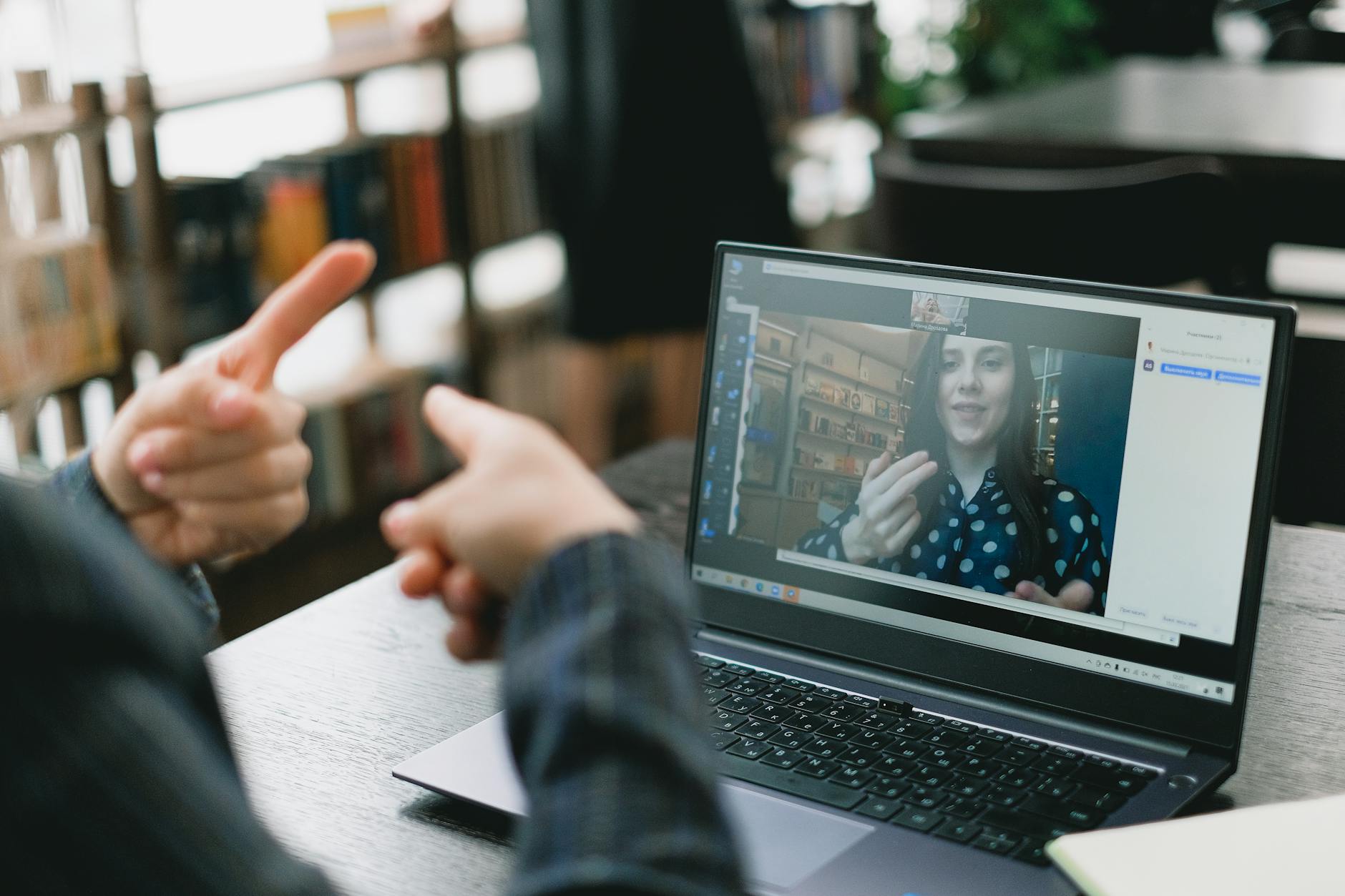
 Photo: Andrea Piacquadio / Pexels
Overlooking Digital Etiquette and Online Safety Protocols
Our partners at monkey-app.net offer related services.
Ignoring Cultural Nuances and Inappropriate Communication Styles
Avoiding Common Technical Glitches and Distractions
Comparison
| Feature | Best Option | Alternative 1 | Alternative 2 |
|---|---|---|---|
| Background | Plain, neutral wall | Virtual background (static) | Bookshelf (tidy) |
| Audio | External USB mic | Headphones with mic | Built-in laptop mic |
| Lighting | Facing natural light | Ring light | Desk lamp |
| Internet | Wired Ethernet | Stable Wi-Fi | Mobile hotspot |
| Preparation | Pre-call checklist | Quick tech check | Wing it (risky) |
| Privacy | Closed door, no sensitive docs | Blurred background | Open office (not recommended) |
| Etiquette | Active listening, clear intro | Brief, polite remarks | Interrupting, multi-tasking (✗) |
| Safety Protocols | Limited info sharing, report features | Generic conversation | Sharing personal details (✗) |
What Readers Say
"This guide on Common Mistakes to Avoid on American Random Video Calls was incredibly insightful. Our nonprofit struggled with consistent first impressions, but applying these tips on technical checks and background prep has made a huge difference in our virtual outreach. We feel much more confident now."
Sarah J. · Austin, TX"As someone who uses random video calls for networking for my charity, I found the section on cultural nuances invaluable. I realized I was making assumptions that could easily lead to miscommunication. This article has definitely improved my approach."
Mark D. · Seattle, WA"Our volunteer recruitment saw a noticeable improvement after implementing the safety protocols and digital etiquette advice from this article. We've been able to screen and engage potential volunteers more effectively and securely, resulting in a 20% increase in qualified applicants."
Emily R. · Miami, FL"The information on avoiding technical glitches was practical, though I wish there were more specific product recommendations. Still, the emphasis on testing audio and lighting really helped me upgrade my setup, making my calls much more professional."
David K. · Chicago, IL"Even for informal check-ins with our remote team, the tips on Common Mistakes to Avoid on American Random Video Calls proved useful. It's easy to get complacent, but this reminded us that professionalism always matters, even in 'random' interactions."
Jessica L. · Denver, COFrequently Asked Questions
What are the most common technical mistakes on American random video calls?
The most common technical mistakes include poor internet connection leading to choppy video or dropped audio, inadequate lighting making you appear dark or shadowy, and using subpar microphones that result in unclear sound. Always test your equipment and connection before joining a call to ensure a smooth experience and professional presentation.
How can nonprofits ensure safety when engaging in random video calls?
Nonprofits can ensure safety by limiting the sharing of personal or sensitive organizational information, understanding and utilizing the platform's reporting and blocking features, and having clear internal guidelines for staff. It's crucial to assume anything shared could be captured and to prioritize the privacy and security of all participants.
What are some best practices for improving audio quality on video calls?
To improve audio quality, use a dedicated external microphone or headphones with a built-in mic instead of relying on your computer's internal microphone. Ensure you are in a quiet environment free from background noise, and check your audio settings to confirm the correct input device is selected and levels are optimized.
Is it worth investing in professional equipment for random video calls?
While 'random' suggests informality, for nonprofits where every interaction can reflect on their mission and reputation, investing in basic professional equipment (like a good microphone, proper lighting, and a stable internet connection) is highly worthwhile. It enhances credibility, improves communication effectiveness, and ensures your message is conveyed clearly and professionally.
How do cultural differences impact communication on random video calls in the US?
Cultural differences significantly impact communication through varying norms around directness, non-verbal cues (like eye contact or gestures), and even humor. What's acceptable in one culture might be offensive in another. Being aware of these nuances, practicing active listening, and adapting your communication style are crucial to avoid misunderstandings and build rapport with diverse individuals across the US.
Who should be most concerned about avoiding these common mistakes?
Anyone representing an organization, especially nonprofits, should be most concerned. Their reputation and ability to build trust are directly impacted by how they present themselves virtually. Individuals seeking professional networking or those in public-facing roles also benefit greatly from avoiding these pitfalls to maintain a credible and effective online presence.
What are the risks of ignoring digital etiquette on random video calls?
Ignoring digital etiquette risks creating a negative impression, alienating potential collaborators or supporters, and undermining your professionalism. It can lead to perceptions of disrespect, disinterest, or incompetence, making it harder to achieve your communication goals and build meaningful connections in the virtual space.
How might future trends in AI and virtual reality affect random video calls?
Future trends in AI and VR could significantly enhance random video calls by offering more immersive and interactive experiences, AI-powered translation, and advanced background suppression. However, they might also introduce new challenges related to deepfakes, privacy concerns in highly realistic virtual environments, and the need for even more sophisticated digital etiquette and safety protocols.
By understanding and actively avoiding these Common Mistakes to Avoid on American Random Video Calls, your nonprofit can transform casual virtual encounters into powerful opportunities for connection, advocacy, and growth. Equip yourself and your team with these best practices to ensure every call contributes positively to your mission and leaves a lasting, professional impression.