Choosing the Best Nonprofit Fundraising Platforms
best nonprofit fundraising platforms

Choosing the Best Nonprofit Fundraising Platforms

Unlock greater giving potential and streamline your operations with the right digital tools.

Find Your Platform

Key Takeaways

  • ✓ Digital fundraising grew by 17% in 2020.
  • ✓ Online giving accounts for 13% of total fundraising revenue.
  • ✓ Mobile giving is projected to reach $100 billion by 2025.
  • ✓ 79% of donors prefer to give online.

How It Works

1
Assess Your Needs

Identify your organization's specific fundraising goals, budget, and technical capabilities. Consider your current donor base and desired growth.

2
Research Platforms

Explore various platforms, focusing on features like donor management, campaign creation, and payment processing. Look for solutions tailored to nonprofit operations.

3
Evaluate Demos & Trials

Take advantage of free trials and platform demos to test usability and functionality. Engage your team in the evaluation process to gather diverse feedback.

4
Implement & Optimize

Once chosen, integrate the platform with your existing systems and train staff. Continuously monitor performance and optimize campaigns for better results.

Understanding the Landscape of Online Fundraising Software
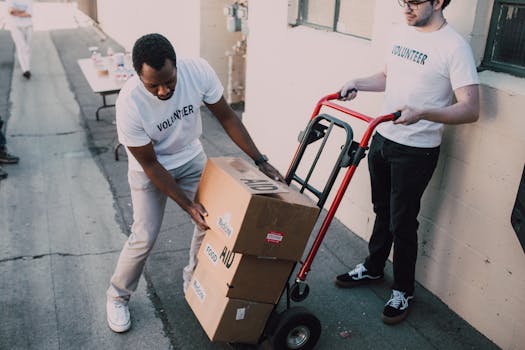
Volunteers move aid boxes for a charity event, emphasizing community support and social impact. Photo: RDNE Stock project / Pexels
The digital age has revolutionized how nonprofit organizations engage with donors and raise crucial funds. Gone are the days when traditional mail appeals and in-person events were the sole pillars of a fundraising strategy. Today, a robust online presence and sophisticated fundraising software are not just advantages, but necessities. The landscape of online fundraising software is vast and varied, offering solutions for every size and type of nonprofit, from small community groups to large international charities. These platforms provide a centralized hub for managing campaigns, processing donations, engaging supporters, and analyzing data. They empower organizations to reach a wider audience, streamline administrative tasks, and cultivate stronger relationships with their donor base. At its core, a fundraising platform should simplify the donation process for givers and make management easier for staff. This includes everything from creating compelling donation pages and setting up recurring giving options to managing peer-to-peer campaigns and ticketing for events. Beyond the transactional aspects, many modern platforms also offer comprehensive donor management features, allowing nonprofits to track donor history, preferences, and communication. This holistic approach helps organizations understand their supporters better, enabling more personalized outreach and more effective stewardship. As you navigate the options, consider platforms that offer a seamless user experience, both for your donors and your internal team. The easier it is for someone to give, the more likely they are to complete their donation. Similarly, an intuitive backend saves your staff valuable time, allowing them to focus on mission-critical work rather than wrestling with complex software. The right platform can transform your fundraising efforts, moving them from reactive to proactive, and from manual to automated, ultimately leading to greater impact and sustainability for your cause. Crucially, the best nonprofit fundraising platforms are not one-size-fits-all. What works for a small local animal shelter might not be suitable for a large university endowment. Factors such as your organization's size, budget, technical expertise, and specific fundraising goals will heavily influence your choice. Some platforms excel in event management, while others are specialists in peer-to-peer campaigns or robust CRM integrations. Understanding your unique needs is the first step in identifying a platform that will truly serve your mission. Furthermore, consider the scalability of the platform. As your nonprofit grows, will the chosen software be able to accommodate increased donor volume, more complex campaigns, and evolving reporting needs? Investing in a scalable solution from the outset can prevent costly and disruptive migrations down the line. It's an investment in your future growth and the long-term success of your fundraising initiatives.

Key Features to Look for in Donation Management Systems

Two diverse volunteers smiling while holding donation boxes indoors with a white background. Photo: Antoni Shkraba / Pexels
When evaluating the best nonprofit fundraising platforms, a critical step is to scrutinize the range of features offered, particularly those related to donation management. A robust donation management system is the backbone of any successful fundraising operation, ensuring that every contribution is recorded accurately, donors are acknowledged promptly, and financial data is easily accessible for reporting and analysis. One of the primary features to look for is customizable donation pages. These pages should allow you to brand them with your logo, colors, and messaging, creating a seamless and trustworthy experience for donors. The ability to embed these pages directly into your website is also a significant advantage, as it keeps donors on your site rather than redirecting them to a third-party domain, which can sometimes reduce conversion rates. Another indispensable feature is recurring donation options. Monthly or annual recurring gifts provide a stable and predictable revenue stream, which is invaluable for long-term planning and sustainability. The platform should make it easy for donors to set up and manage these recurring contributions, including options to update payment information or adjust their donation amount. Beyond simple one-time and recurring gifts, consider platforms that support various donation types, such as tribute gifts (in honor or in memory), gift matching programs, and even cryptocurrency donations, as these become increasingly prevalent. The more flexible your platform is in accepting different forms of giving, the wider your potential donor base. Payment processing capabilities are also paramount. Ensure the platform integrates with reputable payment gateways (like Stripe, PayPal, or Square) and offers secure transaction processing compliant with PCI DSS standards. Look for transparency in transaction fees and consider whether the platform allows donors to cover these fees, which can significantly increase the net amount your organization receives. Furthermore, the ability to issue automated donation receipts, both for tax purposes and as a simple thank you, saves administrative time and enhances donor satisfaction. These receipts should be customizable and include all necessary legal information. Finally, robust reporting and analytics tools are non-negotiable. A good platform should provide dashboards and reports that offer insights into donor behavior, campaign performance, and overall fundraising trends. This data is crucial for making informed decisions, identifying your most effective strategies, and understanding where improvements can be made. Look for features like donor segmentation, which allows you to group donors based on criteria like giving history or engagement level, enabling more targeted and personalized outreach. The ability to export data easily for integration with other systems, such as accounting software or CRM, is also a practical consideration for seamless operations.

Evaluating Donor Relationship Management (CRM) Capabilities
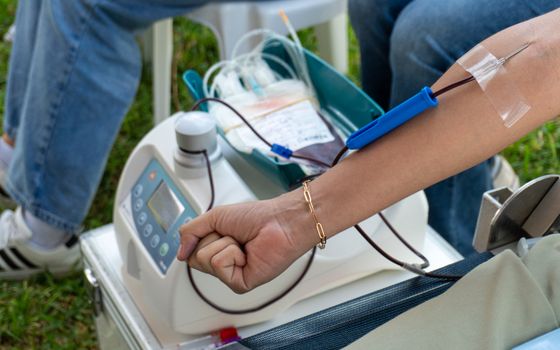
A close-up of the blood donation process outdoors in Piura, Peru, highlighting medical equipment and donor arm. Photo: Manuel Camacho-Navarro / Pexels
Beyond merely processing donations, the best nonprofit fundraising platforms often integrate powerful Donor Relationship Management (CRM) capabilities. A sophisticated CRM is essential for nurturing relationships with your supporters, understanding their journey, and ultimately fostering long-term loyalty. This is where your fundraising efforts move beyond transactional giving to true donor stewardship. A key aspect of CRM is the ability to maintain comprehensive donor profiles. This means having a centralized record for each donor that includes their contact information, donation history, communication preferences, engagement activities (e.g., event attendance, volunteer hours), and any personal notes or interactions. The more detailed and accessible these profiles are, the better equipped your team will be to personalize outreach and make donors feel valued. Effective donor management is about more than just data; it's about building community. Segmentation tools within the CRM are incredibly valuable. They allow you to divide your donor base into specific groups based on criteria such as giving level, frequency, interests, or demographics. This enables highly targeted communication strategies. For example, you might send a specific appeal to major donors, a different one to first-time givers, and a volunteer opportunity notice to those who have expressed interest in hands-on involvement. Personalized communication has been shown to significantly increase engagement and giving rates. The platform should also offer robust communication tools, such as integrated email marketing features or seamless integration with popular email service providers. This allows you to send newsletters, campaign updates, thank-you messages, and impact reports directly from or through your fundraising platform, ensuring consistency and tracking all communications in one place. Tracking donor engagement is another critical CRM function. This includes monitoring email open rates, click-through rates, website visits, social media interactions, and event registrations. By understanding how donors interact with your organization across various touchpoints, you can identify your most engaged supporters and tailor your strategies to cultivate deeper relationships. Some advanced platforms even offer predictive analytics, helping you identify potential major donors or supporters who might be at risk of lapsing. This proactive approach can significantly enhance your donor retention and acquisition efforts. Finally, consider the integration capabilities of the CRM. Will it seamlessly connect with other tools your nonprofit uses, such as accounting software, event management systems, or project management platforms? A well-integrated ecosystem prevents data silos, reduces manual data entry, and ensures that all your systems are working in harmony. This holistic view of your operations and donor interactions is what truly elevates a fundraising platform from a simple donation processor to a strategic partner in achieving your mission. The goal is to create a 360-degree view of your donors, allowing you to build meaningful relationships that translate into sustained support.

Maximizing Impact: Advanced Features and Strategic Considerations
A close-up of a person wearing a volunteer shirt with arms crossed, promoting community service. Photo: RDNE Stock project / Pexels
Beyond the core functionalities of donation processing and donor management, the best nonprofit fundraising platforms offer advanced features that can significantly amplify your fundraising impact and operational efficiency. One such feature is peer-to-peer fundraising. This allows your supporters to create their own fundraising pages on behalf of your organization, inviting their friends and family to donate. It's a powerful way to expand your reach, tap into new networks, and leverage the trust and influence of your most passionate advocates. Look for platforms that make it easy for fundraisers to set up their pages, share them on social media, and track their progress. Event management capabilities are also crucial for many nonprofits. Whether you're hosting a gala, a walk-a-thon, or a virtual conference, an integrated event tool can handle registrations, ticket sales, attendee communication, and even seating arrangements. Consolidating event management within your fundraising platform simplifies data collection and ensures that event attendees are automatically added to your donor database for future cultivation. Another valuable advanced feature is crowdfunding, which enables organizations to raise money for specific projects or campaigns by soliciting small donations from a large number of people. This can be particularly effective for time-sensitive needs or highly visual projects that resonate with a broad audience. Mobile optimization is no longer an optional extra but a fundamental requirement. With an increasing number of donors accessing websites and making donations from their smartphones, your fundraising platform must provide a seamless and intuitive experience on mobile devices. This includes responsive design for donation pages, easy-to-use mobile giving options, and even text-to-give functionality. A clunky mobile experience can lead to abandoned donations and lost opportunities. Furthermore, consider platforms that offer robust integrations with social media. The ability to easily share campaigns, track engagement, and even accept donations directly through social channels can significantly boost your online visibility and donor acquisition efforts. Finally, strategic considerations like data security and customer support should heavily influence your choice. Ensure the platform employs robust security measures to protect sensitive donor information and payment data. Look for clear privacy policies and compliance with relevant regulations. Excellent customer support, including training resources, responsive technical assistance, and a community forum, can be invaluable as you onboard and continue to use the platform. A platform is only as good as the support you receive when you encounter issues or need guidance. By carefully evaluating these advanced features and strategic considerations, you can select a fundraising platform that not only meets your current needs but also positions your nonprofit for sustained growth and greater impact in the long run.

Comparison

FeatureBloomerangClassyDonorboxGivebutter
Donor CRM
Recurring Giving
Peer-to-PeerAdd-on
Event TicketingBasicBasic
Pricing ModelTieredSubscriptionFree + FeesFree + Tips
Customer SupportExcellentGoodGoodExcellent

What Readers Say

"Bloomerang transformed our donor retention strategy. Their insights dashboard is incredibly helpful for understanding our donor base and tailoring our appeals. We've seen a 15% increase in recurring donors since switching."

Sarah Chen · Austin, TX

"Classy made our virtual gala a huge success. The event pages were beautiful, and the live streaming integration was seamless. Our donors loved the experience, and we exceeded our fundraising goal."

Mark Ramirez · Chicago, IL

"Donorbox is incredibly user-friendly and affordable for our small nonprofit. We were able to set up our donation page in minutes, and the recurring giving options are fantastic. It's truly helped us stabilize our monthly income."

Emily White · Denver, CO

"Givebutter has been a game-changer for our peer-to-peer campaigns. While the 'tip' model can be a little inconsistent, the platform's features and ease of use for our fundraisers are outstanding. We appreciate the zero platform fees."

David Lee · Portland, OR

"We needed a platform that could handle complex segmentation and integrate with our existing accounting software. Bloomerang provided the robust CRM we needed, allowing us to build deeper relationships with our major donors and streamline our financial reporting."

Jessica Kim · Miami, FL

Frequently Asked Questions

What are the best nonprofit fundraising platforms for small organizations?

For small nonprofits, platforms like Donorbox, Givebutter, and PayPal Giving Fund are often excellent choices due to their affordability, ease of use, and essential features. They allow organizations to get started with online fundraising without a significant upfront investment, offering robust tools for donation pages and recurring gifts.

How much do nonprofit fundraising platforms cost?

The cost of nonprofit fundraising platforms varies widely. Some offer free basic plans with transaction fees, while others charge monthly or annual subscription fees based on features, donor database size, or fundraising volume. Transaction fees typically range from 2.2% to 2.9% plus a fixed amount per transaction.

How do I choose the right fundraising platform for my charity?

To choose the right platform, start by assessing your organization's specific needs, budget, and technical capabilities. Consider your primary fundraising methods (e.g., events, peer-to-peer, recurring gifts), desired CRM depth, integration needs, and scalability for future growth. Request demos and utilize free trials to test usability.

Are there any free nonprofit fundraising platforms?

Yes, some platforms like Givebutter and Donorbox offer 'free' models where they don't charge platform fees, instead relying on donors to cover processing fees or contribute an optional tip. PayPal Giving Fund also offers 100% of donations to charities, covering all processing fees, but has limited features.

What's the difference between a fundraising platform and a CRM?

A fundraising platform primarily focuses on facilitating donations and managing campaigns. A CRM (Customer Relationship Management) system, specifically a Donor Relationship Management (DRM) system for nonprofits, focuses on managing and nurturing relationships with donors, tracking their history, communications, and engagement over time. Many modern fundraising platforms integrate strong CRM capabilities.

Who should use dedicated nonprofit fundraising platforms?

Any nonprofit organization looking to optimize its fundraising efforts, streamline operations, expand its donor base, and build stronger relationships with supporters should consider a dedicated platform. This includes charities of all sizes, educational institutions, religious organizations, and community groups.

Are online fundraising platforms secure for donor data?

Reputable online fundraising platforms prioritize data security, employing encryption, PCI DSS compliance, and other robust measures to protect sensitive donor and payment information. Always check a platform's security protocols and privacy policy to ensure it meets industry standards and your organization's requirements.

What are the future trends in nonprofit fundraising platforms?

Future trends include increased integration of AI for donor segmentation and personalization, enhanced mobile giving experiences, greater emphasis on peer-to-peer and crowdfunding, deeper social media integration, and the potential adoption of blockchain for transparency in donations.

Selecting from the best nonprofit fundraising platforms is a strategic decision that can profoundly impact your organization's ability to achieve its mission. By carefully evaluating your needs against the features and benefits offered by various solutions, you can empower your team, engage your donors, and secure the vital resources necessary to drive positive change. Start your journey towards optimized fundraising today.

Topics: best nonprofit fundraising platformsnonprofit softwareonline fundraising toolsdonor management systemscharity donation platforms
Leo List

DK Escorts LU Escorts AT Escorts SE Escorts FI Escorts CH Escorts DE Escorts HR Escorts IE Escorts GR Escorts CZ Escorts NO Escorts BE Escorts FR Escorts SI Escorts IL Escorts NL Escorts PL Escorts HU Escorts ES Escorts IT Escorts PT Escorts SK Escorts RO Escorts ZA Escorts UY Escorts US Escorts UK Escorts NZ Escorts AU Escorts
Brampton weed
Adultwork EstrelaBet Vai de Bet R7 Bet Betão Galera Bet Rainbet Bet9ja Shop SportyBet BetKing Sisal Loto Foot Hollywoodbets YesPlay Odibets RushBet Jugabet BetWarrior BetCity MSport betPawa Fortebet