Find the Best Nonprofit CRM Software for Your Mission
best nonprofit CRM software

Find the Best Nonprofit CRM Software for Your Mission

Unlock efficiency, deepen donor relationships, and amplify your impact with the right CRM.

Explore Top Solutions

Key Takeaways

  • ✓ A CRM can increase donor retention by up to 20%.
  • ✓ 70% of nonprofits report improved fundraising efficiency with CRM adoption.
  • ✓ Data centralization is a primary benefit, reducing administrative burden.
  • ✓ The average ROI for CRM implementation in nonprofits is 20-30% in the first year.

How It Works

1
Assess Your Needs

Identify your organization's specific challenges and goals regarding donor management, fundraising, and volunteer engagement. Consider your budget, team size, and technical capabilities.

2
Research & Compare

Explore various CRM platforms tailored for nonprofits, evaluating features like donor profiles, communication tools, reporting, and integration capabilities. Look for user reviews and case studies.

3
Demo & Trial

Request demonstrations from your top choices and utilize free trials to get hands-on experience with the software. Involve key team members in this process to gather diverse feedback.

4
Implement & Optimize

Once selected, plan a phased implementation, including data migration, staff training, and establishing clear usage protocols. Continuously monitor performance and optimize settings to maximize benefits.

Understanding Nonprofit CRM Solutions: More Than Just a Database

Top view of colleagues discussing charts and graphs on a wooden table during a business meeting. Photo: RDNE Stock project / Pexels
For mission-driven organizations, the heart of success lies in fostering strong relationships. In today's digital landscape, the best nonprofit CRM software is no longer a luxury but a fundamental necessity. It's not merely a glorified spreadsheet for contact information; it's a dynamic ecosystem designed to centralize and optimize every interaction your organization has with its constituents. This includes donors, volunteers, board members, grantors, and even the beneficiaries you serve. A robust CRM acts as the single source of truth, consolidating disparate data points into comprehensive profiles that offer invaluable insights into engagement patterns, giving histories, communication preferences, and potential for future support. Without a dedicated nonprofit CRM, organizations often find themselves grappling with siloed data, missed opportunities, and inefficient workflows. Imagine trying to track a donor's journey from their first small online donation to becoming a major gift contributor, all while managing their volunteer hours and event attendance, using only scattered spreadsheets and email archives. It's a recipe for administrative overload and, more critically, a barrier to building lasting, meaningful connections. The right CRM empowers your team to move beyond reactive data entry to proactive relationship cultivation. It provides tools for segmenting your audience, personalizing communications, automating outreach, and meticulously tracking every touchpoint. This holistic view allows you to understand who your supporters are, what motivates them, and how best to engage them, ultimately leading to higher donor retention rates, increased fundraising revenue, and a stronger community around your cause. Furthermore, modern nonprofit CRMs are built with the unique needs of the sector in mind. They often include features specifically designed for grant management, volunteer coordination, peer-to-peer fundraising, and impact reporting – functionalities that generic business CRMs simply don't offer. Choosing a system that understands the nuances of nonprofit operations means less customization work and a faster path to value. It frees up valuable staff time, allowing your team to focus more on mission delivery and less on administrative burdens. This strategic investment in technology is about amplifying your impact, ensuring every dollar and every hour spent contributes directly to your cause. Effective fundraising strategies are intrinsically linked to strong CRM utilization. It's about empowering your team to build deeper connections, making every interaction more meaningful and impactful. A good CRM transforms raw data into actionable intelligence, enabling organizations to make data-driven decisions that propel their mission forward. It’s the backbone of a successful engagement strategy.

Key Features to Look For in Top Nonprofit CRM Software

A diverse group of young volunteers organizing donations indoors with a cheerful atmosphere. Photo: Gustavo Fring / Pexels
When evaluating the best nonprofit CRM software, it's crucial to look beyond the flashy marketing and delve into the core functionalities that will truly serve your organization's unique needs. The landscape of CRM solutions is vast, but certain features stand out as essential for any nonprofit aiming to maximize its impact. First and foremost, **Donor Management** is paramount. This isn't just about storing names and addresses; it's about comprehensive donor profiles that include giving history, communication preferences, wealth screening data, affiliations, and notes from every interaction. A robust donor management system allows you to segment donors effectively, identifying potential major donors, recurring givers, or those interested in specific programs. This granular understanding is key to personalized outreach and cultivating lasting relationships. Next, **Fundraising & Campaign Management** capabilities are indispensable. Your CRM should enable you to plan, execute, and track various fundraising campaigns, from annual appeals and capital campaigns to peer-to-peer initiatives and online giving drives. Look for features that support online donation forms, event registration, pledge tracking, and automated acknowledgment processes. The ability to link specific donations to campaigns and track their performance in real-time provides critical insights for future fundraising efforts. **Communication & Engagement Tools** are also vital. A powerful CRM integrates email marketing, SMS capabilities, and social media management, allowing you to engage with your constituents across multiple channels. Personalization is key here; the CRM should facilitate sending targeted messages based on donor segments, engagement history, and interests. Automated workflows for welcome series, lapsed donor outreach, and recurring gift reminders can significantly enhance engagement without constant manual effort. Beyond these, consider **Volunteer Management** if volunteers are a significant part of your operations. This feature helps track volunteer hours, skills, availability, and assignments, ensuring you can efficiently deploy your volunteer force and recognize their contributions. **Grant Management** is another specialized feature that can be a game-changer for many nonprofits, assisting with tracking grant cycles, application deadlines, reporting requirements, and funding opportunities. Finally, **Reporting & Analytics** are non-negotiable. The best nonprofit CRM software provides customizable dashboards and powerful reporting tools to visualize key performance indicators (KPIs) like donor retention rates, average gift size, campaign ROI, and fundraising trends. These insights are crucial for strategic planning, board reporting, and demonstrating impact to stakeholders. Without robust reporting, even the most comprehensive data becomes stagnant. Ensure the CRM offers easy-to-understand reports that can be generated quickly and shared effectively. This empowers your team to make data-driven decisions, optimize strategies, and continuously improve your outreach and fundraising efforts. The goal is to move beyond simply collecting data to actively leveraging it for growth and greater mission achievement.

Comparing Top Contenders: Finding Your Perfect Nonprofit CRM Match
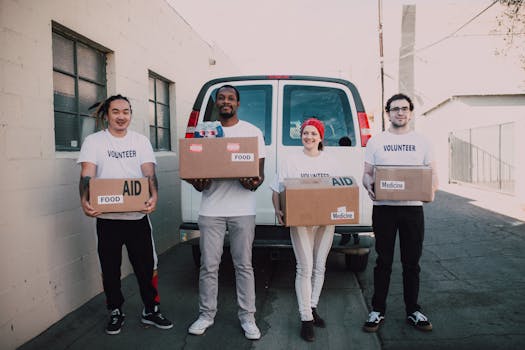
Group of volunteers holding aid boxes, ready to distribute in the community. Photo: RDNE Stock project / Pexels
Navigating the crowded market of nonprofit CRM software can be daunting, but understanding the strengths of leading platforms will help you narrow down your choices. While there's no single 'best' solution for every organization, several stand out for their comprehensive features, user-friendliness, and dedication to the nonprofit sector. **Salesforce for Nonprofits (NPSP)** is often considered the gold standard due to its immense flexibility and scalability. Built on the world's leading CRM platform, Salesforce NPSP offers a robust suite of tools for donor management, fundraising, marketing, and program management. Its highly customizable nature means it can adapt to virtually any nonprofit's unique workflows, from small local charities to large international NGOs. The extensive AppExchange also provides countless integrations with third-party tools. However, its power comes with a steeper learning curve and potentially higher implementation costs, often requiring expert assistance for setup and ongoing customization. For organizations seeking a more out-of-the-box solution with a strong focus on fundraising, platforms like **Bloomerang** and **Kindful (now part of Neon One)** are excellent contenders. Bloomerang is renowned for its emphasis on donor retention, offering intuitive dashboards that highlight donor engagement and provide actionable insights to prevent donor lapse. Its user-friendly interface makes it a favorite among teams that prefer simplicity without sacrificing powerful features like email marketing and wealth screening integrations. Kindful, similarly, offers a comprehensive platform designed to integrate seamlessly with various payment processors and accounting software, providing a unified view of donor data and fundraising efforts. Another strong option is **Blackbaud's Raiser's Edge NXT**. As a long-standing player in the nonprofit technology space, Blackbaud offers a mature and incredibly feature-rich platform, particularly suited for larger organizations with complex fundraising needs. Raiser's Edge NXT provides advanced analytics, robust reporting, and specialized modules for major gifts, planned giving, and grant management. While powerful, its extensive feature set can also mean a more complex user experience and a significant investment. For smaller nonprofits or those just starting their CRM journey, solutions like **Little Green Light** or **DonorPerfect** offer compelling value. Little Green Light is praised for its affordability and ease of use, providing essential donor management and fundraising tools without overwhelming features. DonorPerfect strikes a balance, offering a comprehensive set of features including online forms, event management, and robust reporting, often with tiered pricing that makes it accessible to a wider range of organizations. When making your choice, consider your budget, the technical proficiency of your team, and the specific functionalities that will drive your mission forward. Don't shy away from requesting demos and free trials to get a real feel for how each system operates within your context. Effective nonprofit marketing strategies are greatly enhanced by a CRM that can segment and personalize communications. Ultimately, the best nonprofit CRM software is the one that aligns most closely with your operational needs and empowers your team to build stronger relationships and achieve greater impact.

Avoiding Common Pitfalls and Maximizing Your CRM Investment

A group of diverse volunteers organizing donated items in a community center. Photo: Gustavo Fring / Pexels
Implementing new technology, especially something as central as a CRM, can be challenging. To truly maximize your investment in the best nonprofit CRM software, it's crucial to be aware of common pitfalls and proactively plan to avoid them. One of the most frequent mistakes is **insufficient planning and needs assessment**. Rushing into a purchase without a clear understanding of your organization's specific requirements, current pain points, and future goals can lead to selecting a system that doesn't fit, resulting in frustration and wasted resources. Before even looking at software, gather input from all relevant departments – fundraising, programs, communications, finance – to create a comprehensive list of must-have features and desired outcomes. Another significant pitfall is **poor data migration**. Moving existing donor data from spreadsheets or old systems to a new CRM can be complex. Inaccurate or incomplete data migration can pollute your new system, making it unreliable and undermining trust. Dedicate ample time and resources to data cleaning, standardization, and careful migration. Consider professional help if your data is extensive or particularly messy. **Lack of staff training and adoption** is also a critical barrier to success. Even the most powerful CRM is useless if your team doesn't know how to use it effectively or if they resist the change. Provide thorough, ongoing training that's tailored to different roles. Emphasize the 'why' – how the CRM will make their jobs easier and more impactful – not just the 'how'. Appoint internal champions who can advocate for the system and support their colleagues. Regularly solicit feedback and address concerns to foster a culture of adoption. Ignoring **integration capabilities** can create new data silos. Your CRM shouldn't operate in a vacuum. Ensure it integrates seamlessly with other essential tools like your accounting software (e.g., QuickBooks), email marketing platforms, online payment processors, and website. This creates a unified data flow and prevents duplicate data entry, saving time and reducing errors. Finally, **failing to define success metrics and regularly review performance** means you won't know if your CRM investment is paying off. Establish clear KPIs before implementation, such as improved donor retention, increased average gift size, faster response times, or reduced administrative hours. Regularly analyze your CRM's reports and dashboards to track progress against these metrics. This allows you to identify areas for optimization, refine your strategies, and demonstrate the tangible value of your CRM to your board and stakeholders. By proactively addressing these common challenges, your nonprofit can unlock the full potential of its CRM, transforming it from a mere database into a strategic asset that drives growth and amplifies your mission.

Comparison

FeatureSalesforce NPSPBloomerangDonorPerfectLittle Green Light
Donor Profiles & HistoryComprehensiveExcellentVery GoodGood
Campaign ManagementAdvancedStrongStrongBasic
Email Marketing IntegrationVia AppExchange/Add-onsBuilt-inBuilt-inBasic
Volunteer ManagementCustomizableLimitedAdd-onLimited
Grant TrackingCustomizableLimitedAdd-onLimited
Reporting & AnalyticsHighly CustomizableIntuitiveRobustStandard
ScalabilityHighMedium-HighMediumMedium
Ease of UseModerate-ComplexHighMedium-HighHigh
Typical Price Range (Monthly)$75-300+$99-599+$89-499+$39-149+

What Readers Say

"Our small animal rescue struggled with tracking donations across multiple platforms. This best nonprofit CRM software centralized everything, helping us personalize donor outreach and boost our annual giving by 15% in just six months. It's been a game-changer for our team."

Sarah Chen · Austin, TX

"As a growing education nonprofit, managing our diverse supporter base was getting overwhelming. The new CRM has streamlined our communications and event registrations, allowing us to focus more on our programs and less on administrative tasks. Highly recommend for efficiency."

Mark Johnson · Chicago, IL

"Implementing this best nonprofit CRM software led to an immediate improvement in our donor retention rates. The automated follow-ups and detailed donor profiles mean we're building stronger relationships, directly resulting in a 20% increase in recurring donations."

Maria Rodriguez · Miami, FL

"The CRM is incredibly powerful, though the initial setup required a bit of a learning curve for our team. Once we got past that, the benefits for tracking grants and managing our volunteer base have been undeniable. We're still discovering new ways to leverage its features."

David Lee · Denver, CO

"Our environmental advocacy group needed a CRM that could handle both individual donors and complex corporate partnerships. This solution delivered, allowing us to segment our outreach effectively and track impact across all our campaigns with unprecedented clarity."

Jessica Brown · Portland, OR

Frequently Asked Questions

What is the primary benefit of using the best nonprofit CRM software?

The primary benefit is the centralization of all constituent data – donors, volunteers, grantors, and more – into a single, accessible platform. This eliminates data silos, improves communication efficiency, enables personalized engagement, and provides actionable insights for more effective fundraising and relationship management, ultimately amplifying your organization's impact.

Is nonprofit CRM software too expensive for small organizations?

Not necessarily. While some enterprise-level CRMs can be costly, many solutions offer tiered pricing, free versions for small nonprofits, or significant discounts. There are robust, affordable options specifically designed for smaller organizations, offering essential features without the high price tag. The key is to find a solution that scales with your needs and budget.

How do I choose the right nonprofit CRM for my organization?

Start by assessing your organization's specific needs, budget, and technical capabilities. Prioritize essential features like donor management, fundraising tools, and reporting. Research top contenders, read reviews, and take advantage of demos and free trials. Involve key team members in the decision-making process to ensure buy-in and a good fit for your workflows.

What kind of ROI can a nonprofit expect from a CRM investment?

The ROI from a nonprofit CRM can be significant, often seen in increased donor retention rates, higher average gift sizes, more efficient fundraising campaigns, and reduced administrative overhead. While specific numbers vary, many organizations report a positive ROI within the first year, driven by improved operational efficiency and enhanced donor relationships.

How does nonprofit CRM differ from a standard business CRM?

Nonprofit CRMs are specifically tailored to the unique needs of mission-driven organizations. They often include features like grant management, volunteer tracking, peer-to-peer fundraising tools, and specific reporting for nonprofit compliance, which are not typically found in generic business CRMs. They focus on cultivating relationships for philanthropic support rather than sales.

Who should be involved in the CRM selection process within a nonprofit?

Key stakeholders from various departments should be involved, including fundraising, communications, programs, finance, and executive leadership. Their collective input ensures that the chosen CRM addresses the diverse needs of the entire organization and facilitates smooth adoption across all teams.

Is my donor data safe and secure with cloud-based nonprofit CRM software?

Reputable cloud-based nonprofit CRM providers employ industry-standard security measures, including data encryption, regular backups, and compliance with privacy regulations (like GDPR and PCI DSS). Always verify the security protocols and data privacy policies of any CRM vendor you consider to ensure your sensitive donor information is protected.

What are the future trends in nonprofit CRM software?

Future trends include increased integration of AI and machine learning for predictive analytics (e.g., identifying at-risk donors or major gift prospects), enhanced mobile accessibility for both staff and donors, deeper integration with social media platforms, and more sophisticated personalization capabilities to create truly individualized donor journeys.

Ready to transform your nonprofit's operations and amplify your mission? Explore the best nonprofit CRM software options today to find the perfect solution that empowers your team, deepens donor connections, and drives sustainable growth for your cause.

Topics: best nonprofit CRM softwarenonprofit donor managementfundraising CRM for nonprofitsconstituent relationship managementnonprofit technology solutions
Leo List
Brampton weed
Adultwork EstrelaBet Vai de Bet R7 Bet Betão Galera Bet Rainbet Bet9ja Shop SportyBet BetKing Sisal Loto Foot Hollywoodbets YesPlay Odibets RushBet Jugabet BetWarrior BetCity MSport betPawa Fortebet