
Discover the Best CRM for Small Nonprofits: Boost Impact
Unlock efficiency and amplify your mission with the right CRM solution tailored for small nonprofit organizations.
Find Your CRM NowKey Takeaways
- ✓ Over 70% of nonprofits report improved fundraising efficiency after implementing a CRM.
- ✓ Small nonprofits often prioritize affordability and ease of use in CRM selection.
- ✓ A good CRM centralizes donor data, communication history, and fundraising efforts.
- ✓ Cloud-based CRMs offer flexibility and accessibility for small nonprofit teams.
How It Works
Identify your nonprofit's specific challenges and goals. Consider current donor management, communication, and fundraising processes.
Explore various CRM options focusing on features, pricing, and reviews. Look for solutions tailored to small organizations and nonprofit-specific needs.
Take advantage of free trials or demos to test potential CRMs with your team. Evaluate ease of use, customer support, and integration capabilities.
Once chosen, plan a smooth implementation process and provide thorough training for all staff. Data migration and ongoing support are crucial for success.
Understanding the Unique Needs of Small Nonprofits for CRM Solutions
 Photo: RDNE Stock project / Pexels
Key Features to Look for in a Small Nonprofit CRM System
 Photo: Negative Space / Pexels
Top Contenders: A Closer Look at the Best CRM Options for Small Nonprofits
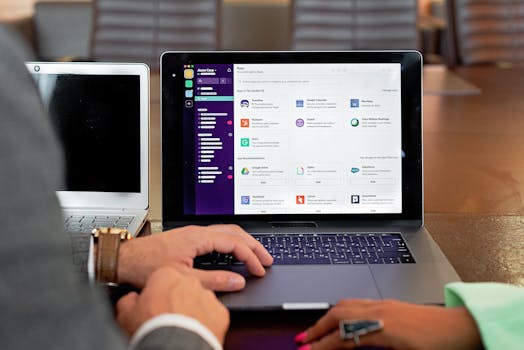 Photo: Mikhail Nilov / Pexels
Avoiding Common Pitfalls: Tips for Successful CRM Implementation and Use
Comparison
| Feature | Bloomerang | DonorPerfect | Little Green Light | CiviCRM |
|---|---|---|---|---|
| Ease of Use | Excellent | Good | Good | Moderate (requires tech) |
| Donor Retention Focus | High | Moderate | Moderate | High (customizable) |
| Fundraising Features | Comprehensive | Very Comprehensive | Good | Very Comprehensive |
| Affordability (Small Nonprofits) | Good | Good | Excellent | Excellent (open source) |
| Volunteer Management | Basic | Comprehensive | Good | Comprehensive |
| Reporting & Analytics | Excellent | Excellent | Good | Excellent (customizable) |
| Online Giving Pages | ✓ | ✓ | ✓ | ✓ |
| Email Marketing Integration | Built-in | Integrates | Integrates | Built-in/Integrates |
What Readers Say
"Bloomerang has been a game-changer for our small animal rescue. We used to manage donors with spreadsheets, but now everything is centralized, and we can actually see our donor retention rates. It's truly the best CRM for small nonprofits that need an intuitive system."
Sarah Chen · Austin, TX"DonorPerfect transformed our annual giving campaign. The event management features alone saved us countless hours, and the integration with our online donation forms made everything seamless. Highly recommend for any small charity looking to scale their fundraising."
Mark Johnson · Denver, CO"With Little Green Light, we finally have a clear picture of our donor base. We've increased our monthly giving by 15% in six months just by being able to segment and communicate more effectively. It's incredibly powerful for the price point."
Emily Davis · Portland, OR"We chose CiviCRM because of its open-source nature and the ability to deeply customize it for our unique program needs. While it required some initial technical support, the long-term flexibility and cost savings are immense for our small advocacy group."
David Lee · Chicago, IL"As a small arts nonprofit, managing grants, ticket sales, and individual donors was a nightmare. Our chosen CRM (Bloomerang) has streamlined all these processes, allowing our tiny team to focus more on our mission and less on administrative headaches. It's truly made a difference."
Maria Rodriguez · Miami, FLFrequently Asked Questions
What is the most important feature for the best CRM for small nonprofits?
The most important feature is often ease of use combined with robust donor management. Small nonprofits need a system that staff can quickly learn and utilize without extensive training, while also providing a comprehensive view of donor interactions, donation history, and communication preferences to build strong relationships.
Is a free CRM good enough for a small nonprofit?
While some free CRMs or free tiers exist, they often come with limitations on features, contacts, or support. For very small, nascent organizations, they can be a starting point. However, as your nonprofit grows and its needs become more complex, investing in a paid, purpose-built nonprofit CRM usually provides better functionality, scalability, and dedicated support, which ultimately saves time and boosts impact.
How do I migrate my existing donor data to a new CRM?
Data migration typically involves exporting your current data (often from spreadsheets or old systems) into a standard format like CSV. Before importing, it's crucial to clean and de-duplicate your data to ensure accuracy. Most CRM providers offer migration tools or support, and some even provide services to assist with the process, ensuring a smooth transition of your valuable donor information.
How much does the best CRM for small nonprofits typically cost?
Costs vary widely, but for small nonprofits, expect to pay anywhere from $50 to $300 per month, depending on the number of contacts, features included, and number of users. Many providers offer tiered pricing, discounts for nonprofits, or even free starter plans. It's essential to consider the total cost of ownership, including potential setup and training fees, and weigh it against the value it brings.
How does a nonprofit CRM differ from a standard business CRM?
Nonprofit CRMs are specifically designed to handle the unique needs of charitable organizations. They include features like donor management, grant tracking, pledge management, volunteer coordination, and specialized reporting for fundraising and impact measurement. Standard business CRMs, while adaptable, often lack these specialized functionalities and may require extensive, costly customization to meet nonprofit requirements.
Who within a small nonprofit should be involved in choosing a CRM?
Ideally, representatives from fundraising, program management, communications, and executive leadership should be involved. This ensures that the chosen CRM addresses the needs of all key departments, facilitates cross-functional collaboration, and aligns with the organization's overall strategic goals. User adoption is higher when key staff feel ownership in the selection process.
What are the security risks associated with cloud-based nonprofit CRMs?
Cloud-based CRMs typically employ robust security measures, including data encryption, regular backups, and compliance with industry standards (like GDPR or HIPAA where applicable). The main risks often come from weak internal practices, such as poor password hygiene or lack of user access controls. Always choose a reputable vendor with a strong security track record and ensure your team follows best practices for data protection.
Will AI play a role in future nonprofit CRM solutions?
Absolutely. AI is already starting to enhance CRM capabilities for nonprofits. Future trends include AI-powered donor segmentation, predictive analytics for identifying potential major donors or donors at risk of lapsing, personalized communication suggestions, and automated report generation. These advancements will help small nonprofits make even more data-driven decisions and optimize their fundraising efforts.
Ready to revolutionize your donor relationships and amplify your mission? Explore the best CRM for small nonprofits today. Start a free trial or request a demo to discover how the right platform can empower your team and drive greater impact.