

Unlocking Your Potential: The Benefits of Volunteering for a Nonprofit
benefits of volunteering for a nonprofit

Unlocking Your Potential: The Benefits of Volunteering for a Nonprofit

Group of diverse volunteers smiling while sorting clothes at a charity donation center.Photo: Julia M Cameron / Pexels

Unlocking Your Potential: The Benefits of Volunteering for a Nonprofit

Transform lives, including your own, through meaningful engagement with nonprofit organizations.

Find Your Cause

Key Takeaways

  • ✓ Volunteering boosts mental health and reduces stress.
  • ✓ It enhances career prospects through skill development and networking.
  • ✓ Volunteers contribute significantly to local and global communities.
  • ✓ Studies show volunteers report higher levels of happiness and life satisfaction.

How It Works

1
Identify Your Passions

Consider what causes resonate with you most, whether it's environmental protection, education, animal welfare, or social justice. Aligning with your values ensures a more fulfilling experience.

2
Research Local Nonprofits

Explore organizations in your community or online that align with your identified passions. Look into their mission, programs, and current volunteer opportunities to find the right fit.

3
Connect and Apply

Reach out to the nonprofit to express your interest, inquire about specific roles, and understand their application process. Many organizations have online forms or information sessions for prospective volunteers.

4
Engage and Grow

Once accepted, commit to your role, learn new skills, and actively participate. Embrace the opportunity to make a tangible difference while developing personally and professionally.

Personal Transformation: Unveiling the Intrinsic Rewards of Giving Back

Senior woman giving donations to a smiling volunteer inside a cozy living room.Photo: AI25.Studio Studio / Pexels
Volunteering for a nonprofit transcends mere goodwill; it's a profound journey of personal transformation, offering a wealth of intrinsic rewards that enrich one's life in countless ways. At its core, giving back to the community fosters a deep sense of purpose and fulfillment. In a world often characterized by self-interest and material pursuits, dedicating time and energy to a cause greater than oneself provides a refreshing perspective. This sense of purpose is not fleeting; it's a lasting feeling that comes from knowing you've contributed to something meaningful, that your actions have positively impacted others or the environment. This internal validation is often far more satisfying than any external reward. Beyond purpose, volunteering significantly boosts mental health and well-being. Numerous studies have linked altruistic behavior to reduced stress, lower rates of depression, and increased happiness. The act of helping others can shift focus away from personal worries, providing a welcome distraction and a new outlook. It activates the brain's reward centers, releasing endorphins and creating a 'helper's high' that contributes to overall emotional resilience. This positive feedback loop encourages continued engagement, solidifying volunteering as a powerful tool for maintaining mental equilibrium. Furthermore, engaging with a nonprofit organization often leads to enhanced self-esteem and self-confidence. As volunteers take on new responsibilities, learn new skills, and successfully contribute to projects, they build a stronger belief in their own capabilities. Overcoming challenges, collaborating with others, and seeing the direct results of their efforts can be incredibly empowering. This newfound confidence can then permeate other areas of life, from personal relationships to professional endeavors. It's a testament to the idea that by giving, we often receive much more in return. For individuals seeking to expand their horizons, volunteering provides unparalleled opportunities for personal growth. It often pushes people out of their comfort zones, introducing them to diverse perspectives, challenging situations, and new ways of thinking. Whether it's advocating for a cause, organizing an event, or directly assisting those in need, each experience offers valuable life lessons. Volunteers learn adaptability, problem-solving, and empathy – qualities that are essential for navigating a complex world. The exposure to different communities and life circumstances can broaden one's understanding of societal issues, fostering a more compassionate and informed worldview. This continuous learning and adaptation contribute to a more well-rounded and resilient individual. The journey of personal transformation through volunteering is therefore multifaceted, touching upon purpose, mental well-being, self-esteem, and continuous growth. It's an investment in oneself that yields profound and lasting dividends, making the commitment to a nonprofit one of the most rewarding decisions one can make. Discover inspiring stories of individuals whose lives have been transformed through their volunteer efforts.

Professional Development: Advancing Your Career Through Nonprofit Engagement

Three professionals engaged in conversation within a modern conference room setting.Photo: Mikhail Nilov / Pexels
Beyond the altruistic motives, volunteering for a nonprofit organization can be a strategic move for professional development, offering tangible benefits that can significantly advance one's career. One of the most compelling advantages is the opportunity to gain invaluable work experience and develop new skills. Many nonprofit roles, even entry-level volunteer positions, require the application of transferable skills such as project management, communication, fundraising, marketing, event planning, and data analysis. Unlike traditional internships or entry-level jobs, volunteer roles often provide a broader scope of responsibility and direct exposure to various facets of an organization's operations. This hands-on experience is particularly beneficial for students, recent graduates, or individuals looking to make a career change, as it allows them to build a robust resume and demonstrate practical competencies to potential employers. Furthermore, volunteering provides an unparalleled platform for networking. When you volunteer, you're not just working alongside other volunteers; you're often interacting with staff members, board members, donors, and community leaders – individuals who are deeply invested in the cause and often hold influential positions in various industries. These connections can open doors to mentorship opportunities, job leads, and professional collaborations that might otherwise be inaccessible. Building a strong professional network is crucial in today's job market, and the genuine, shared purpose found in volunteering often fosters more authentic and lasting connections than purely transactional networking events. Recruiters and hiring managers increasingly value candidates who demonstrate a commitment to community involvement and possess a diverse skill set. Listing volunteer experience on a resume signals several positive attributes: initiative, teamwork, leadership potential, and a strong work ethic. It shows that an individual is proactive, willing to go above and beyond, and committed to making a positive impact. Moreover, the specific skills acquired – whether it's public speaking during advocacy campaigns, financial management for a fundraising event, or technical skills in website maintenance – can be directly highlighted as relevant experience, making a candidate more competitive in their desired field. Volunteering can also serve as an excellent way to explore different career paths or test out new industries without the commitment of a full-time job. For someone considering a shift from the corporate sector to the nonprofit world, or from marketing to program development, a volunteer role offers a low-risk environment to gain insight and experience. This exploratory phase can be crucial for making informed career decisions and ensuring a better fit in future professional endeavors. The professional benefits of volunteering are thus far-reaching, encompassing skill acquisition, networking, enhanced resume appeal, and career exploration. It's a strategic investment in one's professional future, proving that giving back can simultaneously propel one forward in their career journey.

Community Impact and Social Connection: Strengthening Bonds, Building a Better World
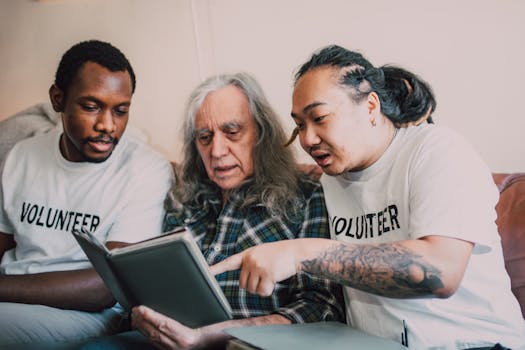
Volunteers assisting an elderly man with a photo album, demonstrating community support and multiculturalism.Photo: RDNE Stock project / Pexels
The benefits of volunteering for a nonprofit extend significantly beyond individual growth, resonating deeply within the community and fostering vital social connections. At its core, volunteering is an act of community building, directly contributing to the well-being and resilience of local and global populations. Nonprofits often address critical societal needs that government agencies or private sectors might overlook, from providing food and shelter to vulnerable populations, to offering educational programs, environmental conservation, or advocating for human rights. Every hour a volunteer dedicates translates into tangible support, helping these organizations fulfill their missions and create a positive ripple effect throughout society. This direct impact is one of the most rewarding aspects of volunteering, allowing individuals to see firsthand how their efforts contribute to a better, more equitable world. Beyond the direct services provided, volunteering plays a crucial role in strengthening social cohesion. In an increasingly fragmented society, opportunities for genuine connection can be rare. Volunteering brings together diverse individuals – people from different backgrounds, ages, and professions – all united by a common cause. This shared purpose naturally fosters camaraderie, teamwork, and mutual respect. Working side-by-side with fellow volunteers, staff, and beneficiaries creates a sense of belonging and community that can combat feelings of isolation and loneliness. These interactions often lead to lasting friendships and a stronger sense of local identity, reinforcing the social fabric of neighborhoods and towns. For many, volunteering is a powerful antidote to the feeling of powerlessness in the face of large-scale societal problems. By participating in a nonprofit's work, individuals gain agency and become active agents of change. Whether it's cleaning up a local park, mentoring a young person, or helping organize a fundraiser, these actions, however small they may seem individually, collectively contribute to significant improvements. This sense of empowerment is vital for civic engagement and encourages a more active, responsible citizenry. It demonstrates that ordinary people can indeed make an extraordinary difference when they come together for a common goal. Furthermore, volunteering helps bridge divides and promotes empathy. By interacting with individuals from different walks of life and often facing challenging circumstances, volunteers develop a deeper understanding of diverse perspectives and societal inequities. This exposure cultivates empathy, breaking down stereotypes and fostering a more compassionate and inclusive community. It allows volunteers to see the world through different eyes, challenging their preconceptions and promoting a more nuanced understanding of complex social issues. This growth in empathy is not only beneficial for the individual but also essential for building a more understanding and harmonious society. The collective effort of volunteers forms the backbone of countless nonprofit initiatives, driving positive change and creating a more supportive and connected world. Read about how volunteers are transforming communities across the nation.

Maximizing Your Volunteer Experience: Tips for Lasting Impact and Fulfillment

Close-up of senior hands with pen writing in a spiral notebook. Personal notes concept.Photo: RDNE Stock project / Pexels
To truly unlock the extensive benefits of volunteering for a nonprofit, it's crucial to approach the experience with intention and a strategic mindset. Here are key tips to ensure your volunteer journey is both impactful for the organization and deeply fulfilling for you: * **Choose Wisely and Align with Your Values:** Don't just pick the first opportunity you find. Take time to research nonprofits whose missions genuinely resonate with your passions and values. When you're emotionally invested in the cause, your commitment will be stronger, and your experience more rewarding. Consider what kind of impact you want to make and what issues you care most about. * **Be Clear About Your Availability and Commitment:** Nonprofits rely on reliable volunteers. Be honest about how much time you can realistically dedicate and stick to your commitments. If your schedule changes, communicate promptly. Consistency is often more valuable than sporadic, large bursts of effort. * **Communicate Effectively:** Maintain open lines of communication with the nonprofit staff and your fellow volunteers. Ask questions, offer suggestions respectfully, and provide feedback. Good communication ensures you understand your role, the organization's needs, and how your efforts fit into the larger picture. * **Be Proactive and Take Initiative:** While following instructions is essential, look for opportunities to go above and beyond. Identify areas where you can apply your unique skills or offer new ideas. Showing initiative demonstrates your dedication and can lead to more challenging and rewarding responsibilities. * **Embrace Learning and Be Adaptable:** Volunteering often involves learning new tasks, working with diverse groups of people, and adapting to unexpected situations. Approach each experience with an open mind, a willingness to learn, and flexibility. Every new challenge is an opportunity for personal and professional growth. * **Set Realistic Expectations:** Understand that not every volunteer task will be glamorous, and progress in nonprofit work can sometimes be slow. Focus on the cumulative impact of your efforts and celebrate small victories. Your consistent contribution, even in seemingly minor tasks, is vital to the organization's success. * **Document Your Experiences:** Keep a record of the skills you've gained, the projects you've worked on, and the impact you've made. This documentation is invaluable for updating your resume, reflecting on your personal growth, and sharing your stories with others. It also helps you articulate the tangible benefits you've derived from volunteering. * **Don't Be Afraid to Seek Support or Change Roles:** If you find a particular role isn't a good fit, or you need additional training, don't hesitate to speak up. A good nonprofit will want to ensure their volunteers are happy and effective. Sometimes, finding the right fit might involve exploring different roles within the same organization or even moving to a different nonprofit altogether. * **Reflect on Your Journey:** Regularly take time to reflect on your volunteering experience. What have you learned? How have you grown? What impact have you had? This reflection solidifies the benefits and helps you appreciate the profound value of your contributions. By following these tips, you can ensure your time as a volunteer is not only beneficial for the nonprofit you serve but also a deeply enriching and transformative experience for yourself.

Comparison

Benefit CategoryVolunteering (Nonprofit)Paid Employment (For-Profit)Independent Project
Purpose & FulfillmentHigh; direct contribution to social goodVaries; tied to company mission/profitHigh; self-directed passion
Skill DevelopmentBroad, often cross-functional; hands-onSpecialized, role-specific; structuredSelf-taught, project-specific
Networking PotentialHigh; diverse, mission-driven connectionsMedium; industry-specific, competitiveLow; self-initiated outreach
Resume EnhancementExcellent; demonstrates initiative, soft skillsStandard; demonstrates professional experienceGood; showcases initiative, specific skills
Mental Health BoostHigh; 'helper's high', reduced stressVaries; can be stressful or fulfillingVaries; can be isolating or empowering
Financial CompensationNone (intrinsic rewards)Primary objectiveNone (unless monetized)
FlexibilityOften high; adaptable schedules possibleLow; fixed hours, contractualVery high; complete control

What Our Readers Say

5 ★★★★★

"Volunteering at the local animal shelter has been incredibly rewarding. I've gained so much confidence interacting with different breeds and helping with their care, something I never thought I could do. It truly makes my week."

5 ★★★★★

"As a retired engineer, I wanted to stay active and contribute. Mentoring young students in STEM through a nonprofit has given me a new sense of purpose and keeps my mind sharp. The kids' progress is my greatest reward."

5 ★★★★★

"I was struggling to find a job in event planning after college. Volunteering to organize a fundraiser for a local arts council not only gave me practical experience but also led to a paid internship. It was a direct result of the skills I showcased there."

4 ★★★★☆

"While the work can sometimes be challenging, especially at the food bank, the sense of community among the volunteers and the gratitude from those we serve makes it all worthwhile. It puts life into perspective in a powerful way."

5 ★★★★★

"Working with a nonprofit focused on environmental conservation has allowed me to connect with nature and passionate individuals. I've learned so much about sustainable practices and feel like I'm making a tangible difference for future generations."

Frequently Asked Questions

What are the most significant benefits of volunteering for a nonprofit?
The most significant benefits include enhanced personal well-being (reduced stress, increased happiness), valuable professional development (skill acquisition, networking), and making a tangible positive impact on your community and the causes you care about. It's a holistic experience that enriches both the giver and the receiver.
I'm worried I don't have enough time to volunteer. How can I still contribute?
Many nonprofits offer flexible volunteering options, from a few hours a month to project-based commitments. Consider micro-volunteering, virtual roles, or one-off event support. Even a small, consistent contribution can make a big difference, so don't let perceived time constraints deter you from exploring options.
How do I find a reputable nonprofit to volunteer with?
Start by researching local organizations through platforms like VolunteerMatch, Idealist, or your local United Way chapter. Look for nonprofits with clear missions, transparent operations, and positive reviews. Don't hesitate to contact them directly, ask questions about their programs, and inquire about their volunteer onboarding process to ensure a good fit.
Can volunteering really help my career, or is it just for personal satisfaction?
Absolutely, volunteering can significantly boost your career. It provides opportunities to develop new skills, gain practical experience, expand your professional network, and demonstrate valuable soft skills like teamwork, leadership, and initiative to potential employers. Many employers actively seek candidates with volunteer experience.
How is volunteering for a nonprofit different from doing community service for school or court?
While both involve giving back, volunteering for a nonprofit is typically self-initiated and driven by personal interest and passion for a cause, leading to deeper engagement and intrinsic rewards. Community service, especially when mandated, is often performed to fulfill an obligation, though it can still be a positive experience.
Who should consider volunteering for a nonprofit?
Anyone looking to make a positive impact, develop new skills, expand their network, improve their mental well-being, or explore new career paths should consider volunteering. It's beneficial for students, professionals, retirees, and anyone seeking a sense of purpose and connection.
Are there any risks associated with volunteering for a nonprofit?
While generally safe, potential risks can include exposure to challenging environments, emotional distress from difficult situations, or minor physical hazards depending on the role (e.g., manual labor). Reputable nonprofits have safety protocols, training, and support systems in place to mitigate these risks and ensure volunteer well-being.
What future trends might impact the benefits of volunteering for a nonprofit?
Future trends include the rise of virtual volunteering, skill-based volunteering (pro-bono work), and short-term, project-based opportunities, making it more accessible to a wider range of individuals. The increasing emphasis on corporate social responsibility will also likely lead to more employer-supported volunteer programs, further broadening participation and benefits.

Embrace the journey of giving back and discover the myriad benefits of volunteering for a nonprofit. Your time and talent are invaluable, offering not just support to a worthy cause, but also profound personal growth, professional advancement, and a deeper connection to your community. Start your impactful volunteer story today and experience the transformative power of purposeful action.

Topics: benefits of volunteering for a nonprofitvolunteer impactpersonal growth volunteeringcareer development nonprofitcommunity service advantages
Leo List
Brampton weed
Adultwork